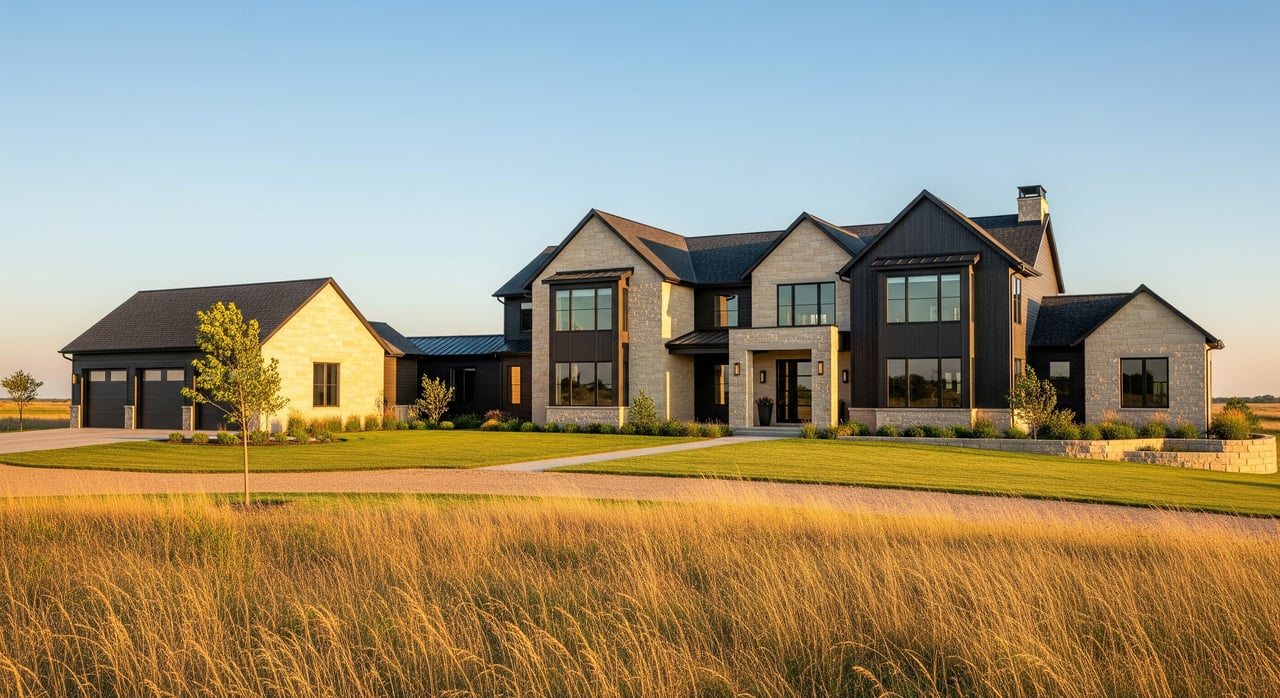
Thinking about building a new home in Gretna? You are not alone. New construction can be exciting, but the moving parts, deadlines, and approvals can feel overwhelming without a clear plan. In this guide, you will find a practical, step-by-step timeline for Gretna and Sarpy County, plus tips to protect your budget and schedule from lot selection to closing. Let’s dive in.
Big-picture timeline in Gretna
Most stick-built single-family homes on a ready lot take about 4 to 9 months from the start of site work to receiving a Certificate of Occupancy. Many production builds finish in 5 to 8 months once permits are in hand. Custom plans and lots that need extra prep often take longer.
Typical stage ranges:
- Lot selection to signed build contract: 1 to 4 weeks
- Financing application and approval: 2 to 6 weeks
- Permits and site plan approval: 2 to 8 weeks
- Site work and foundation: 2 to 6 weeks
- Framing and exterior shell: 2 to 6 weeks
- Rough-ins and inspections: 2 to 4 weeks
- Interior selections and finishes: 4 to 8 weeks
- Final trim, yard, and punch list: 2 to 4 weeks
- Final inspections, CO, and closing: 1 to 3 weeks
Season, lot readiness, permit turnaround, design complexity, and supply or labor availability are the main timeline drivers.
Step-by-step: What happens when
Lot selection and contract (1 to 4 weeks)
Before you sign, confirm who has jurisdiction over permits. Lots within Gretna city limits are reviewed by the City of Gretna. Unincorporated areas fall under Sarpy County. Ask for zoning, setback and easement details, floodplain status, utility availability and connection fees, HOA covenants, and any architectural review requirements. If soil remediation, high groundwater, or special drainage is needed, budget extra time and cost.
Financing and lender milestones (2 to 6 weeks)
Get pre-approved before reserving a lot. Your lender will need the builder agreement, plans, specs, and cost breakdown for underwriting and appraisal. Common construction loan options include:
- Construction-to-permanent (single-close): Funds draws during the build and converts to your mortgage at completion.
- Standalone construction loan: Short-term construction financing with a separate permanent loan later.
- VA or FHA construction options: Available with added requirements and paperwork.
Expect inspections tied to each draw and possible re-inspections. Appraised value is based on plans and comps, so factor in time for appraiser scheduling.
Permits and site plan approval (2 to 8 weeks)
Permit times vary by jurisdiction and completeness of plans. Your builder submits plans for review and schedules required inspections. Missing documents or requested changes can add weeks, so align early on a complete, accurate submittal.
Site work and foundation (2 to 6 weeks)
After permits, crews handle grading, utility stub-ins, and foundation work. Nebraska weather can slow down this stage. Frozen soils, spring thaw, or heavy rain can shift dates for excavation, pours, and backfill.
Framing and exterior shell (2 to 6 weeks)
You will see rapid progress as walls go up and the roof goes on. After framing, the city or county conducts a framing inspection. Passing this milestone keeps your schedule moving.
Rough-ins and inspections (2 to 4 weeks)
Electric, plumbing, and HVAC rough-ins follow framing. Municipal or third-party inspections must sign off before insulation and drywall. Failing an inspection can add time for corrections, so quality control matters.
Selections and interior finishes (4 to 8 weeks)
Cabinets, countertops, tile, flooring, and paint are installed in this window. Builders set firm deadlines for selections to avoid delays from long-lead items like cabinets, windows, and appliances. Missing a selection deadline can push your completion date by weeks.
Final trim, yard, and punch list (2 to 4 weeks)
Crews install fixtures, trim, mirrors, and hardware. Exterior grading and landscaping wrap up. A detailed punch list walk-through helps catch small items while crews are still on site.
Final inspections, CO, and closing (1 to 3 weeks)
The city or county performs final inspections and issues the Certificate of Occupancy. Your lender completes final underwriting and clear-to-close. Once the CO is issued and draws are reconciled, you are ready for closing.
Selections, allowances, and change orders
An allowance is a dollar amount included in your contract for items like cabinets, counters, appliances, lighting, and flooring. If you choose options above the allowance, you pay the difference plus tax and installation. If you come in under, you receive a credit per the contract.
To stay on track:
- Ask for a written selection schedule with firm deadlines.
- Identify long-lead items early and lock them promptly.
- Request the builder’s change-order policy in writing, including fees and how changes affect time.
- Set a contingency fund of 5 to 10 percent of the contract for upgrades or unforeseen costs.
Change orders almost always add time. They may also trigger additional inspections or lender documentation, which can delay the next draw.
Common Gretna delays and how to avoid them
Delays can occur, but many are preventable with planning and communication. Common factors include weather, permit review times, utility tie-ins, long-lead materials, subcontractor availability, buyer-driven changes, and inspection rework.
How to stay ahead:
- Confirm contract language on completion dates and remedies for delays when possible.
- Clarify who pays for permits, impact fees, and utility connections.
- Coordinate your lender and builder early on draw schedules and inspection requirements.
- Follow a selections checklist and beat deadlines, especially for cabinets, windows, and appliances.
- Consider independent inspections at key stages: foundation, pre-drywall, and pre-close.
- Keep a shared build calendar and log inspection sign-offs.
Quick buyer checklist for Gretna new builds
- Get pre-approval before selecting a lot.
- Verify if the property is in City of Gretna or unincorporated Sarpy County.
- Ask for utility availability and tap fees in writing.
- Request a detailed build schedule and selection deadlines.
- Confirm allowance amounts and change-order policy in the contract.
- Plan independent inspections at foundation, pre-drywall, and pre-close.
- Build a 5 to 10 percent contingency fund.
- Confirm builder warranty terms and the post-close service process.
- Review HOA covenants and any planned assessments.
- Check FEMA flood maps and ask about flood insurance if applicable.
Who does what: City vs. County
If your lot is inside Gretna city limits, the City of Gretna Planning, Zoning, and Building offices handle permits and inspections. If your lot is in unincorporated Sarpy County, work with Sarpy County Planning and Zoning. Before you commit, verify:
- Zoning, setbacks, and your buildable envelope
- Floodplain status and base flood elevation if applicable
- Utility access and connection fees for water, sewer, electric, gas, and fiber
- Easements, drainage, and stormwater requirements
- HOA architectural reviews and design guidelines
- Soil conditions, compaction needs, and groundwater that may affect your foundation
If the property is not on city sewer, plan for septic permits and percolation tests. Stormwater or erosion control plans are sometimes required in new subdivisions.
Final thoughts
A clear plan, firm deadlines, and steady communication make new construction in Gretna far more predictable. When you understand how permits, financing, selections, and inspections fit together, you can set realistic expectations and protect your budget.
If you want a hands-on partner to coordinate your builder, lender, and timeline, reach out to Avid Realty. Our Nebraska-based team helps you make confident choices from lot to closing.
FAQs
How long does new construction in Gretna usually take?
- Most builds take 4 to 9 months from site work to Certificate of Occupancy, with 5 to 8 months common for production homes once permits are approved.
What construction loan options should I expect in Sarpy County?
- You will typically choose between a construction-to-permanent single-close loan or a standalone construction loan; VA and FHA options exist but have added requirements.
Who handles permits and inspections for Gretna new homes?
- The City of Gretna handles properties within city limits, while unincorporated lots fall under Sarpy County; verify jurisdiction before starting.
How do Nebraska seasons affect my build timeline?
- Winter freezes and spring thaw can slow excavation and foundation work, adding days or weeks to early site stages.
What are allowances and how do they impact budget?
- Allowances are set amounts for selections like cabinets and flooring; choosing above the allowance increases your cost, while coming in under earns a credit per your contract.
Should I schedule independent inspections for a new build?
- Yes, many buyers hire third-party inspectors at foundation, pre-drywall, and pre-close to catch items that municipal inspections may not cover.
When should I lock my mortgage rate on new construction?
- Many construction-to-perm loans allow a rate lock near initial closing or conversion; confirm timing and options with your lender early in the process.