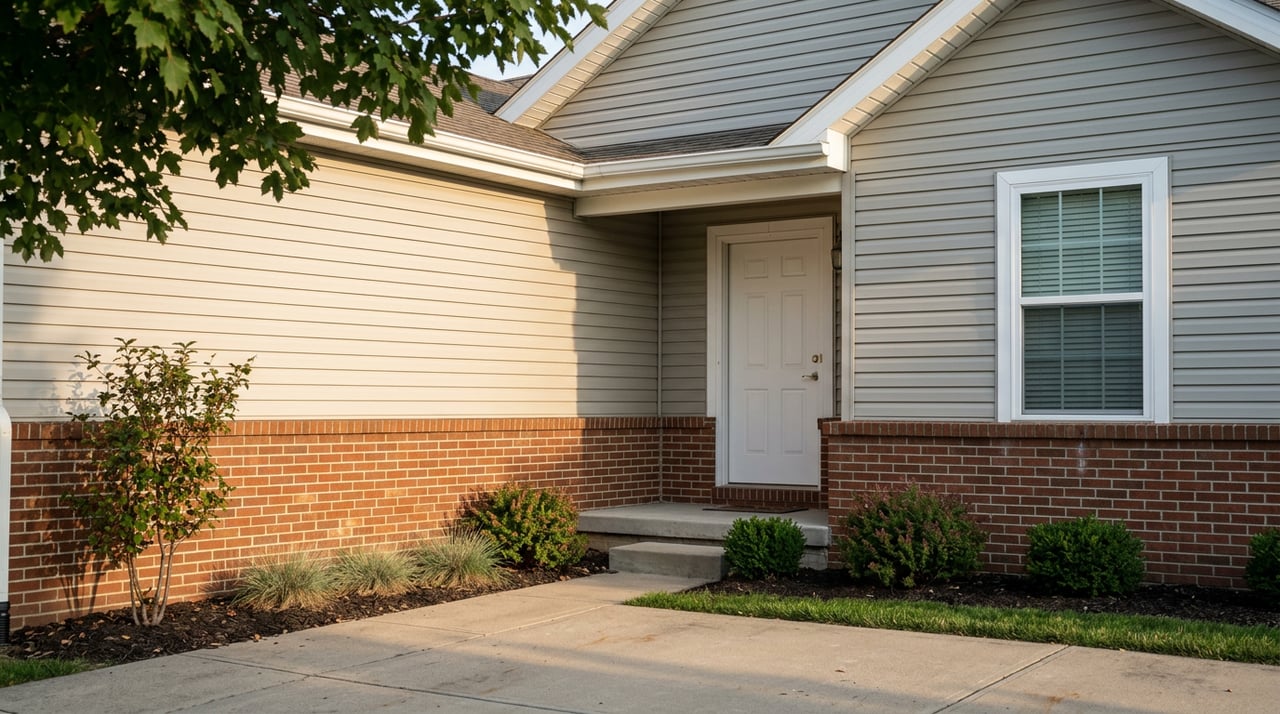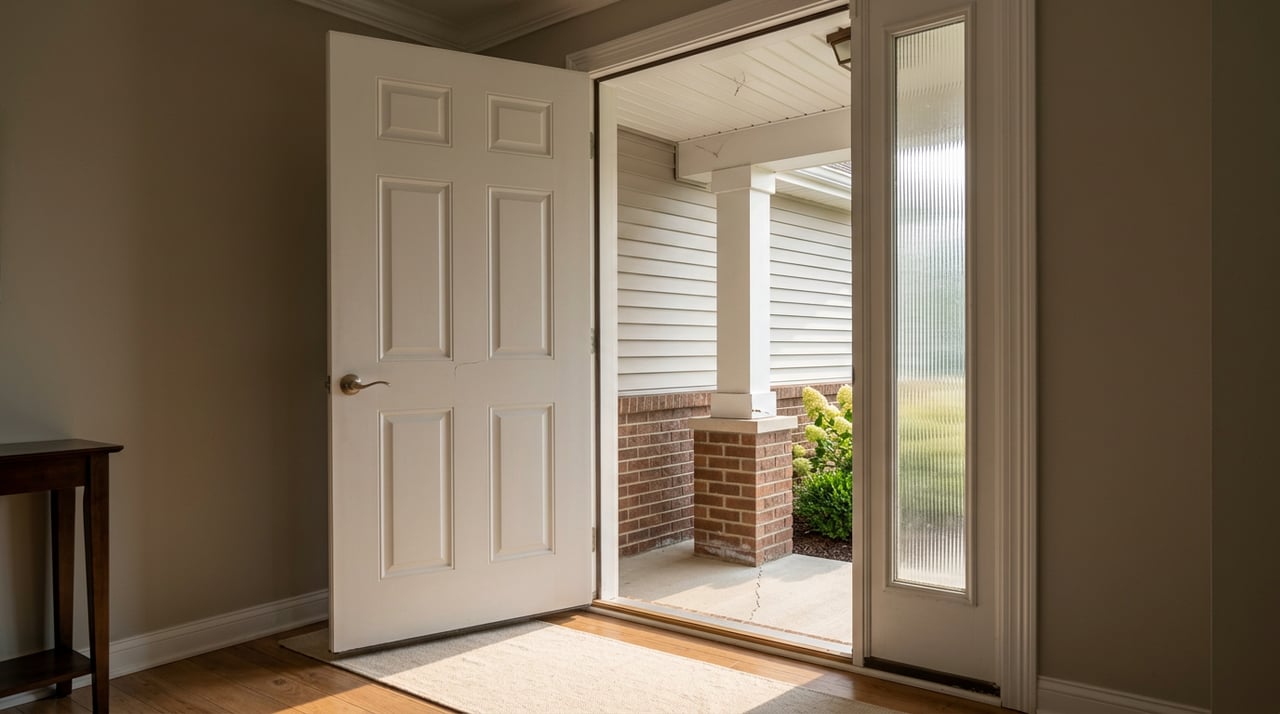
Trying to decide when to list your Seward home? You are not alone. Timing your sale can shape how fast you move, how many showings you get, and how strong your offers look. In this guide, you will learn how Seward’s seasons affect demand, how to use months of inventory to confirm the right window, and a simple prep plan to be market ready. Let’s dive in.
What drives Seward’s selling seasons
Seward follows the familiar Midwestern rhythm, with a pronounced spring peak and steady early summer activity. Proximity to Lincoln can amplify these swings because the pool of buyers and listings is smaller than a large metro.
- Spring, April through June: This is typically the strongest buyer traffic. Weather improves, curb appeal pops, and many households want to move before a new school year. If you want the broadest buyer pool and a quicker sale, spring often wins.
- Early to mid summer, June through July: Demand stays solid, especially for buyers aiming to close before school starts. Competition can rise as more homes list, so pricing and presentation matter.
- Late summer to early fall, August through September: Overall traffic dips, but buyers who shop then often have clear timelines from job changes or life events. Less competition can help a well‑priced home stand out.
- Late fall to winter, October through February: This is usually the slowest period. Sales still happen, just at lower volume. If you prefer fewer showings and are price sensitive, or your property has unique appeal, this window can work.
The exact cadence shifts year to year, which is why confirming with local data is smart.
How to read Seward’s local data
You can validate the best timing by reviewing a few core metrics for the last 24 months. Ask your agent for city or ZIP-level data when possible.
The metrics that matter
- New listings by month
- Closed sales by month
- Active listings at the start of each month
- Median sale price and median list price
- Days on market, median or average
- Sale‑to‑list price ratio
- Pending sales and inventory turnover
For context, also review months of inventory, price band activity, general mortgage rate trends, and basic local economic indicators.
Where to find numbers locally
- Local MLS reports for Seward or the nearest market area
- Nebraska and regional association market updates for context
- County assessor records for property trends
- Public weather data to plan photos, yard work, and exterior projects
Gather at least 24 months of monthly data, and if possible, look at 3 to 5 years of monthly averages. That longer view helps you separate one‑off spikes from true seasonality.
Use months of inventory to time your list
Months of inventory is one of the clearest signals of leverage and speed.
- Absorption rate, monthly: closed sales in a month divided by active listings that month.
- Months of inventory: active listings divided by average monthly sales. It is the inverse of absorption.
Example with hypothetical numbers: if Seward has 30 active listings at the start of June and 10 sales in May, months of inventory is 30 divided by 10, or 3 months. That usually favors sellers.
How to interpret months of inventory, using common industry norms:
- Under 4 months: seller’s market with faster sales
- About 4 to 6 months: balanced market
- Over 6 months: buyer’s market with slower sales
Consider using a 3‑month or 6‑month rolling average to smooth out small market swings. If the rolling months of inventory consistently dips to 2 to 3 months in April through June, that supports a spring listing. If inventory starts climbing and approaches 4 months or more, you may want to list earlier in spring or adapt your pricing for summer.
Spring or summer: which is better for you
Both windows can work well in Seward. Your choice comes down to prep time, current inventory, and your goals for speed and pricing.
If you want maximum traffic: spring
- Target list window: late April through May.
- Start prep in February or March. Book inspections, line up contractors, and begin decluttering early.
- Landscaping and photos: aim for fresh lawn growth, trimmed shrubs, and sunny photo days.
Why it works: buyer traffic peaks, curb appeal looks its best, and tight inventory can boost your leverage. The tradeoff is higher competition from other spring sellers, so your presentation must shine.
If you prefer early to mid summer
- Target list window: late May through mid July.
- Start prep 4 to 6 weeks ahead, especially if you need repairs or painting.
- Emphasize move‑in readiness and flexible closing timelines.
Why it works: motivated buyers still want to close before the school year, and summer yards remain attractive. The tradeoff is occasional slower weekdays and more competing listings. Smart pricing and crisp marketing help you stand out.
Pricing, staging, and speed tips
Tie your strategy to your timing. A tight, seasonal plan reduces days on market and protects your net.
Pricing
- If months of inventory is low during spring, a slightly assertive list price can engage buyers and spark strong interest.
- If inventory climbs into summer, consider a competitive list price with incentives like flexible possession or a modest closing cost credit.
- Use recent comparable sales from the last 30 to 90 days. Seasonal comps make your pricing more precise.
Staging and marketing
- Spring: highlight landscaping, porches, decks, and bright, airy rooms. Consider twilight photos for extra curb appeal.
- Summer: showcase air conditioning performance, shade, and easy outdoor living. Keep lawns green and edged.
- Fall or winter: focus on warm, clean interiors and uncluttered entries. Use seasonal décor sparingly.
Speed tactics
- List on a Friday to capture weekend search activity and open house traffic.
- Be flexible on showing times, especially evenings and weekends during peak windows.
- If inventory is tight, set an offer review date. If inventory is higher, be ready for longer negotiations and more contingency requests.
A simple decision flow
- Pull months of inventory for the last 12 months, plus a 3‑month rolling average for Seward.
- If current months of inventory is under 4 months and trending down into April through June, favor a spring listing.
- If inventory is rising into spring and likely to exceed 4 months, accelerate prep to list earlier or plan an early summer launch with sharp pricing.
- If you need more time for repairs, compare last year’s seasonal pricing pattern. Decide whether waiting for next spring outweighs the current timing.
A quick 8‑week prep timeline
Use this checklist if you are aiming for late April through July.
- Weeks 8 to 6: schedule a pre‑listing inspection, book contractors, and order permits if needed. Prioritize roof, HVAC, plumbing, and safety items.
- Weeks 6 to 4: declutter each room, complete paint touchups, finalize minor repairs, and choose staging. Gather receipts and manuals.
- Weeks 4 to 2: refresh landscaping, power wash siding and walks, and plan for sunny photo days. Confirm your marketing plan and open house dates.
- Week 1: deep clean, complete any final touchups, and photograph the home. Align your go‑live date to hit weekend traffic.
Local calendar checkpoints
Before you finalize dates, review the local rhythm:
- Public events, county fairs, and parades that might pull traffic away on a specific weekend
- School calendar milestones and typical move timelines for families
- Any nearby construction that could affect access or noise
A little planning here helps your listing launch into the biggest possible audience.
The bottom line for Seward sellers
If you want the most buyer traffic, spring, late April through June, is often your best window in Seward. Early to mid summer can still deliver strong results, especially if you are move‑in ready and price competitively. Confirm your decision with local months of inventory and days on market, then follow a clear 6 to 8 week prep plan to launch with confidence.
When you are ready to talk timelines, pricing, and a customized marketing plan, reach out to the local team that pairs hands‑on care with modern exposure. Connect with Avid Realty to schedule a consultation.
FAQs
What is the best month to sell a home in Seward?
- Spring months, especially late April through June, usually see the most buyer traffic in Seward. Confirm the current year’s conditions by checking months of inventory and recent days on market.
How long should I prep my Seward home before listing?
- Plan for 4 to 8 weeks, depending on repairs. Book inspections and contractors first, then handle decluttering, touchups, landscaping, and photography.
How do I calculate months of inventory for Seward?
- Divide active listings by average monthly sales. For example, 30 active listings and 10 recent monthly sales equals 3 months of inventory, which tends to favor sellers.
Should I wait for mortgage rates to drop before selling in Seward?
- Not necessarily. Use local months of inventory, days on market, and current buyer activity to guide your timing. Strong seasonal demand can offset higher rates.
Is fall or winter a bad time to sell in Seward?
- Not always. Traffic is lower, but buyers in these seasons may be motivated by timelines. Success comes from accurate pricing, polished presentation, and flexible showings.