Buying your first home in Lincoln comes with one big question: where should you live. You want a neighborhood that fits your budget, commute, and daily routine without surprises after closing. In this guide, you’ll get clear, neighborhood‑level snapshots, the key tradeoffs to consider, and a simple plan to narrow your shortlist with confidence. Let’s dive in.
How to choose your Lincoln neighborhood
Budget and total cost
Set a budget that includes more than the purchase price. Plan for closing costs, property taxes, and possible HOA or condo dues. Property taxes in Lancaster County can affect your monthly payment, so request a current estimate for any home and review records through the county assessor. If a home is part of an HOA, ask for fee history and rules before you fall in love with the property.
Home styles and ages
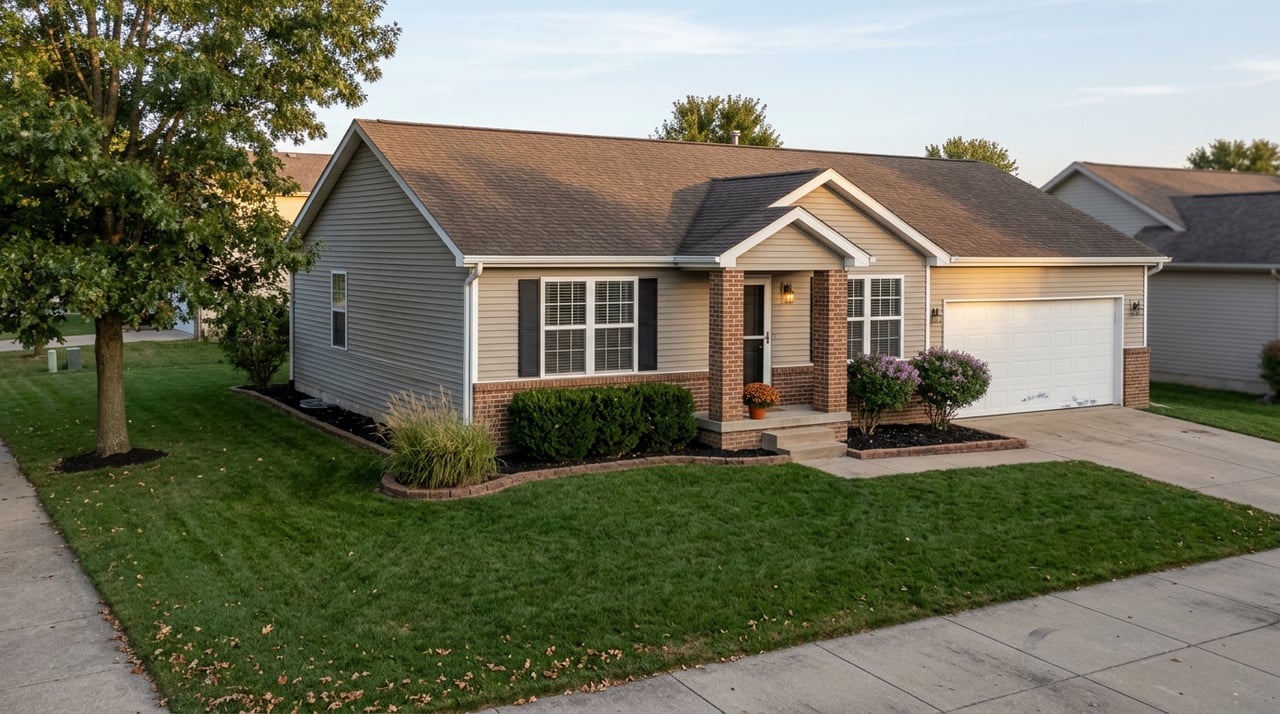
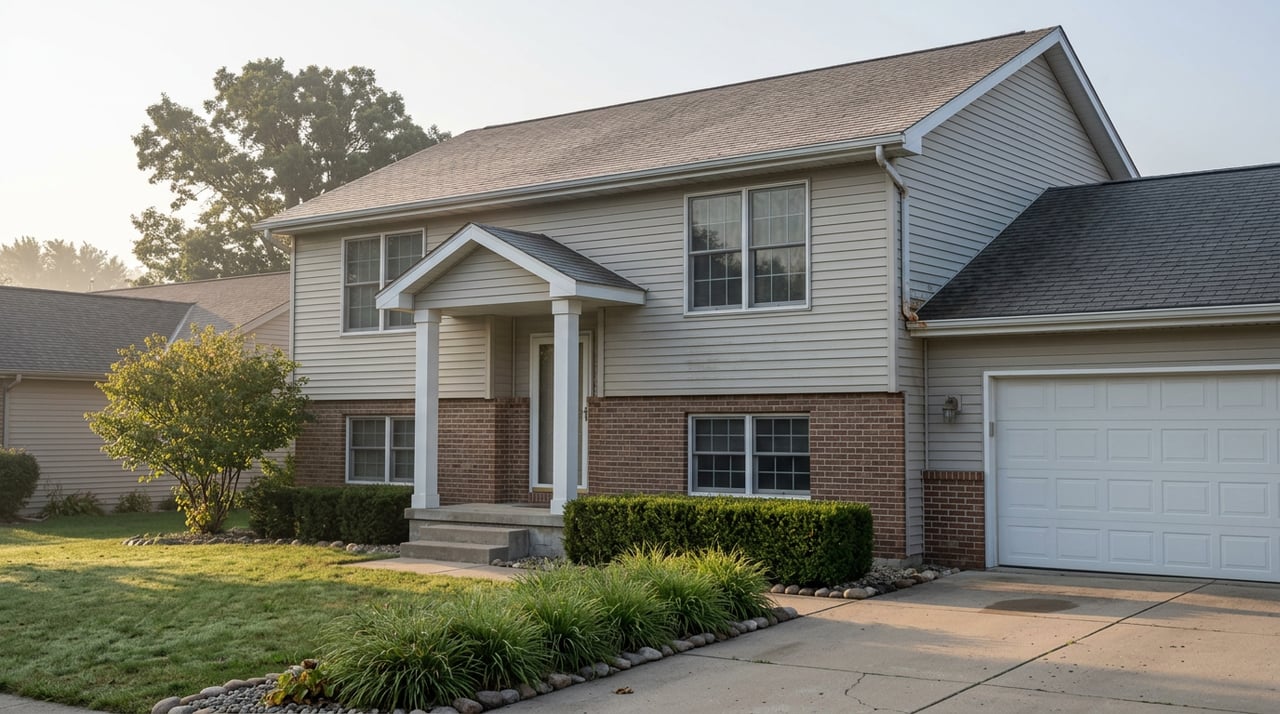
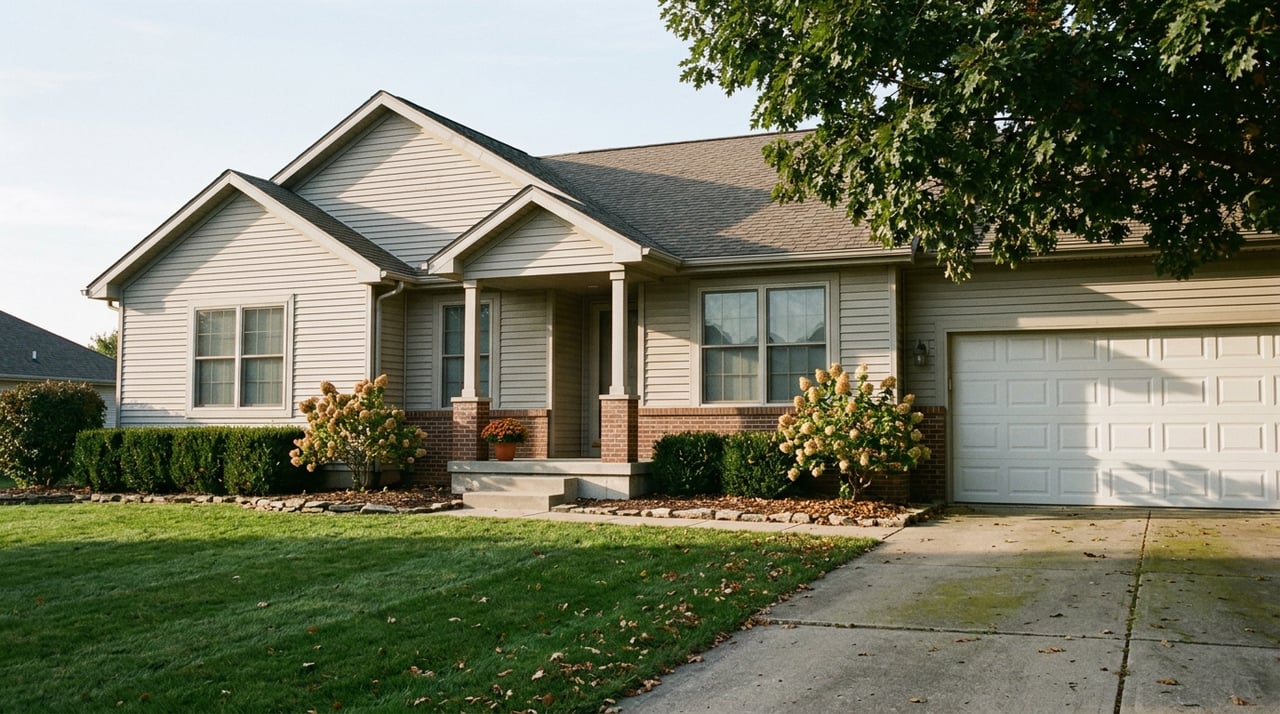
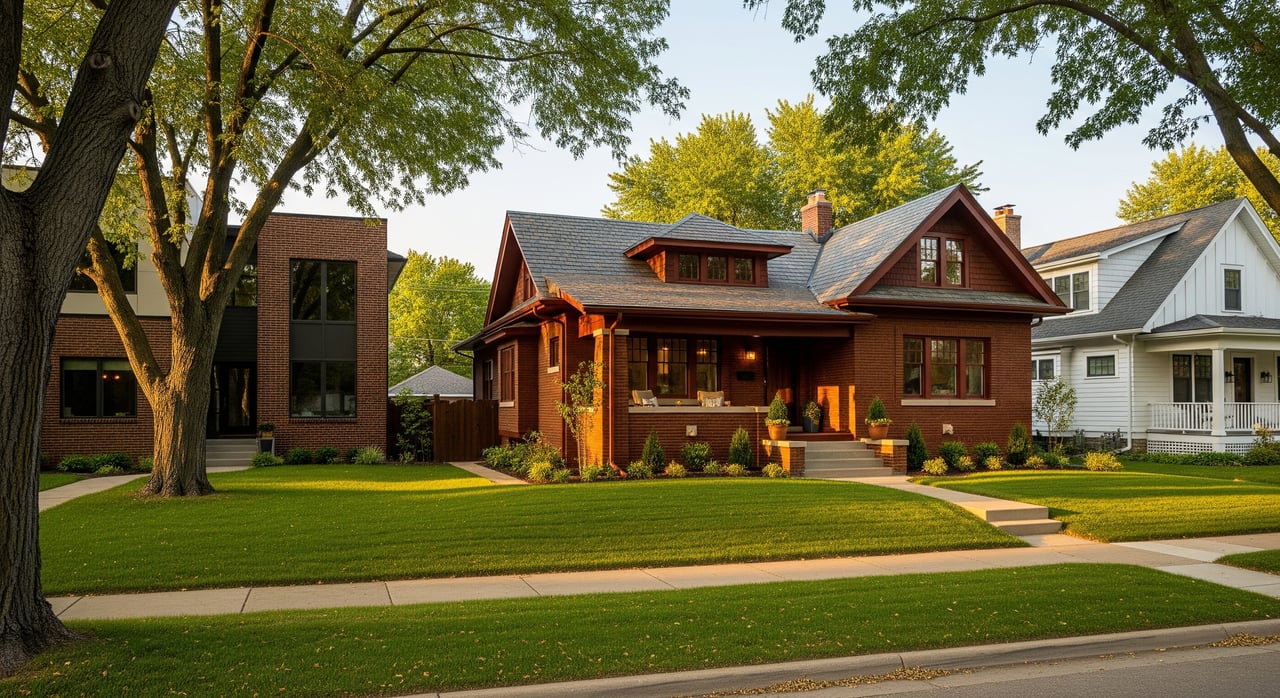
Lincoln offers downtown condos and lofts, early‑20th‑century bungalows and foursquares, mid‑century ranches and split‑levels, and newer subdivisions from the 1990s to today. Older homes give you character and central locations, though they may require more maintenance. Newer homes often come with more space and modern systems, with possible HOA oversight and dues.
Commute and access
Most in‑city drives are about 10 to 30 minutes depending on origin, destination, and rush hour. If you work at UNL, a hospital, or downtown, central neighborhoods shorten your drive. If you want a larger yard or new build, plan for a longer but still manageable commute. Always test your route during peak times before you commit.
Schools and family needs
Lincoln Public Schools is the primary district within city limits. Attendance boundaries can change, and programs vary by school, so verify boundaries for each address and review public school reports. Nearby small towns have their own districts with different calendars and policies. If schools are a priority, check this early to avoid surprises later.
Amenities and walkability
Decide how much you value walkable access to parks, trails, groceries, and entertainment. Central areas near the Haymarket and downtown put you close to restaurants, events, and transit. Suburban neighborhoods tend to offer larger lots, newer schools, and community amenities like playgrounds and pools. Both options can work well for a first home depending on your lifestyle.
Safety and neighborhood stability
Use official crime maps and neighborhood‑level statistics to understand trends. Look at longer time periods and compare to city averages to avoid reading too much into a single incident. Visit at different times of day to get a feel for parking, lighting, and activity.
Ownership costs and rules
Confirm utility providers, especially for homes near the city edge or in nearby towns. Within Lincoln, electricity is typically through Lincoln Electric System, and city departments handle water, sewer, and trash. If you are eyeing new construction or a condo, ask about any special assessments, utility easements, or association coverage of services.
Neighborhood snapshots for first‑time buyers
Use these summaries to focus your search. For each, you will see typical home styles, who it fits best, nearby amenities, and what to watch.
Downtown, Haymarket, Near South, Near North
- Best for: walkable urban living and access to dining, culture, and events
- Homes: condos and lofts downtown, small single‑family homes and rentals in Near South and Near North
- Commute: immediate access to downtown and short drives to UNL and nearby hospitals
- Amenities: restaurants, bars, Haymarket events, transit routes, and nearby parks
What to watch: Parking can be tight in the core. Condos may carry higher price per square foot along with association dues. You will see more rental activity and seasonal demand near the university.
University area near UNL
- Best for: proximity to campus and city center
- Homes: older single‑family homes, duplexes, small condos, and some properties converted to rentals
- Amenities: campus resources, cultural venues, and local eateries
What to watch: Expect more frequent turnover and noise on some blocks. If you plan to rent later, review zoning and local rental licensing rules before you buy. If you need quiet evenings, test the area at night and during weekends.
Havelock and Northeast neighborhoods
- Best for: first‑time buyers seeking broader affordability and classic home styles
- Homes: early‑to‑mid‑20th‑century bungalows and ranches on smaller lots, plus occasional infill
- Commute: moderate drives to UNL and downtown with access to major corridors
- Amenities: neighborhood schools, local shopping corridors, and parks
What to watch: Older homes can require updates in electrical, plumbing, or foundations. Budget for inspection findings and possible maintenance projects while you enjoy the location and access.
Belmont and North Lincoln value pockets
- Best for: value per square foot with access to north‑side services
- Homes: a mix of mid‑century and newer single‑family homes, including planned communities
- Commute: typical city drives with access to downtown and UNL within the common 10 to 30 minute range
- Amenities: community parks, neighborhood retail, and newer schools in some areas
What to watch: Some communities may have HOAs with rules on exterior changes. If you are looking at newer builds, compare builder reputation and warranty details.
South, Southwest, and Southeast suburbs
- Best for: newer construction, yards, and neighborhood amenities
- Homes: 1990s to present single‑family homes and townhomes, with some planned subdivisions
- Commute: longer drives to downtown or UNL relative to central areas, often still within city norms
- Amenities: newer schools, shopping centers, walking paths, and community playgrounds or pools
What to watch: Verify HOA fees and coverage. Ask about utility placements and any special assessments that could affect monthly costs.
Country Club, University Place, and Northwest newer builds
- Best for: established settings with mature trees or higher‑end finishes in select pockets
- Homes: historic estates in some areas, larger lots, and new construction options in northwest developments
- Commute: central access from University Place and Country Club; typical city drives from northwest neighborhoods
- Amenities: established landscaping, golf or club proximity in certain areas, and neighborhood parks
What to watch: Prices and property taxes are typically higher for larger homes or historic properties. Confirm any historic district guidelines that could affect exterior updates.
Nearby small towns: Waverly, Hickman, Raymond
- Best for: more space, newer subdivisions, and lower per‑square‑foot prices compared to in‑city options
- Homes: single‑family homes with larger lots and new construction
- Commute: plan for 15 to 30 minutes or more depending on your destination and traffic
- Amenities: local schools and retail, with many services located in Lincoln
What to watch: Factor in commute time, fuel costs, and school district differences. Confirm taxes and utility providers since small towns may follow different rules than the city.
Commute, transit, and daily life
Lincoln is primarily car‑oriented, with arterial roads that can slow during rush hour. Public transit through StarTran serves many neighborhoods, with stronger frequency along major corridors. If you plan to bike or walk, central neighborhoods and select corridors tend to have better connectivity, along with access to parks and trails like those at Pioneers Park and Antelope Park.
Before you choose, test your daily routine. Drive your route at typical peak times, and if you will use the bus, try your commute during a weekday. Walk from potential homes to nearby grocery stores, parks, and transit stops to see how it feels in real life.
Taxes, utilities, and HOA questions
Property taxes are set at the county and municipal level and can change your monthly cost more than you expect. Request a current property tax estimate for any listing and review records with the Lancaster County Assessor. For condos and some subdivisions, confirm all association dues and what they cover, such as exterior maintenance, trash, or shared spaces.
Within Lincoln, electricity is typically provided by Lincoln Electric System. City departments handle water, sewer, and trash service. For homes on the edge of town or in nearby communities, verify providers and any special assessments or easements during your due diligence period.
Safety and due diligence
Use official crime maps and police department data to review neighborhood‑level trends. Compare several years of data and citywide averages to avoid over‑weighting a short‑term spike on one block. As you tour, note lighting, traffic, and parking patterns. Also check the City of Lincoln planning and zoning maps for any redevelopment plans, overlays, or future transportation projects that could affect daily life around the home.
A simple first‑home search plan
- Get pre‑approved to set a clear budget that includes taxes and dues.
- List your must‑haves and nice‑to‑haves across commute, home type, yard size, and amenities.
- Shortlist 2 to 4 neighborhoods that match your budget and lifestyle.
- Walk key blocks and visit at commute times to check noise, parking, and traffic.
- Verify school attendance boundaries and review public school reports for each address.
- Ask your agent for recent neighborhood‑level comps and days on market to understand pricing and competition.
- For each home you like, order a professional inspection and review seller disclosures.
- Request HOA documents, fee history, and any special assessment details before your final decision.
- Confirm zoning, floodplain status, and any planned city projects that might impact the property.
Ready to compare homes with a local guide
If you want a clear, step‑by‑step plan tailored to your budget and lifestyle, we are here to help. Our team pairs local neighborhood insight with a calm, hands‑on approach so your first purchase feels informed and manageable. Reach out to schedule a friendly consult and start touring with confidence through Avid Realty.
FAQs
Which Lincoln neighborhoods fit a tight first‑time buyer budget
- Havelock, parts of Northeast Lincoln, and value pockets in Belmont often offer broader affordability, with tradeoffs in age and updates compared to newer suburbs.
How long is the commute from Havelock or Belmont to UNL or downtown during rush hour
- Many in‑city drives fall in the 10 to 30 minute range, but timing varies by exact address and traffic, so test your route at peak times.
Are there areas near Lincoln Public Schools that fit first‑time buyer budgets
- You can find options near many LPS campuses in several neighborhoods; verify school boundaries for each address and compare programs that meet your needs.
What are the tradeoffs between an older home near downtown and a newer build on the edge of Lincoln
- Older homes offer character and central access with potential maintenance needs, while newer builds offer modern systems and space with possible HOA fees and longer commutes.
What extra monthly costs should first‑time buyers expect in Lincoln beyond the mortgage
- Plan for property taxes, HOA or condo dues if applicable, utilities, and potential special assessments; ask for current estimates during your due diligence.
How do I check safety or crime trends for a specific block in Lincoln before buying
- Review official police crime maps and neighborhood‑level statistics across several years and compare to city averages, then visit the area at different times of day.
When does it make sense to buy in Waverly, Hickman, or Raymond instead of in Lincoln
- If you prioritize more space, newer subdivisions, or lower per‑square‑foot prices and accept a longer commute with different school and tax policies, small towns can work well.
Do I need a car in Lincoln or can I rely on public transit for daily life
- StarTran serves many areas, especially along major corridors, but Lincoln is car‑oriented, so test bus routes and timing for your routine before you choose a home.