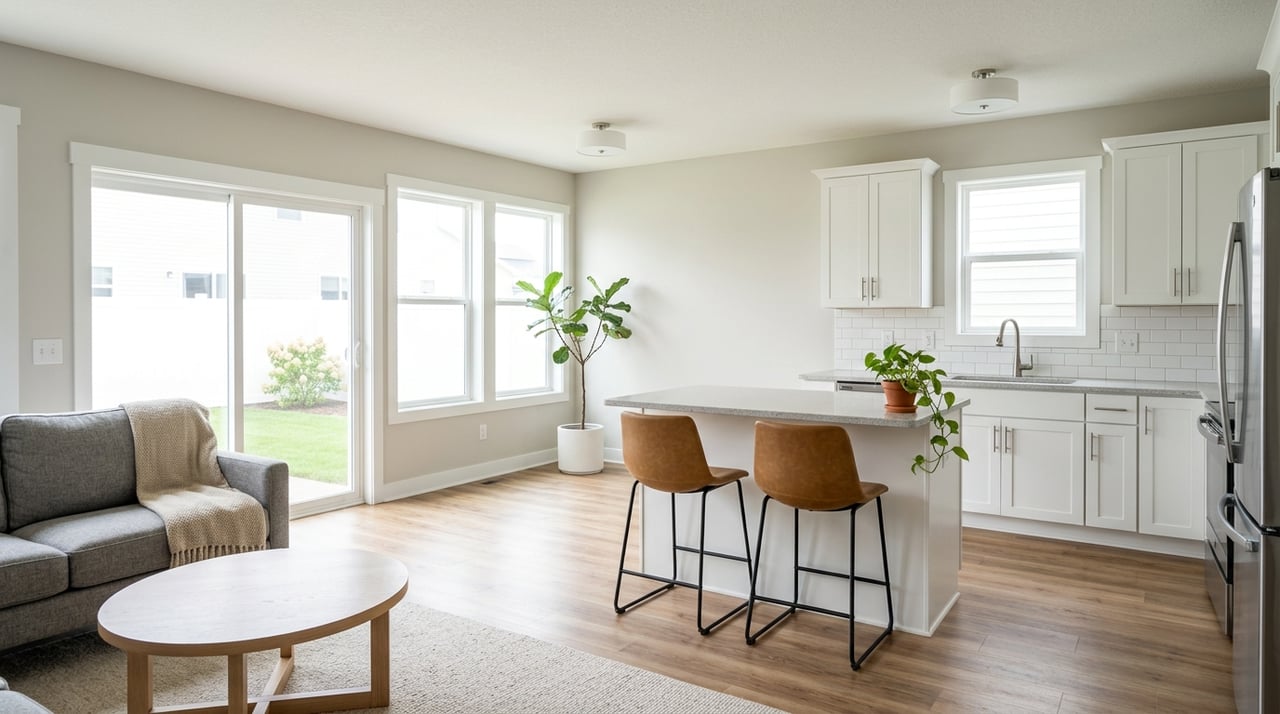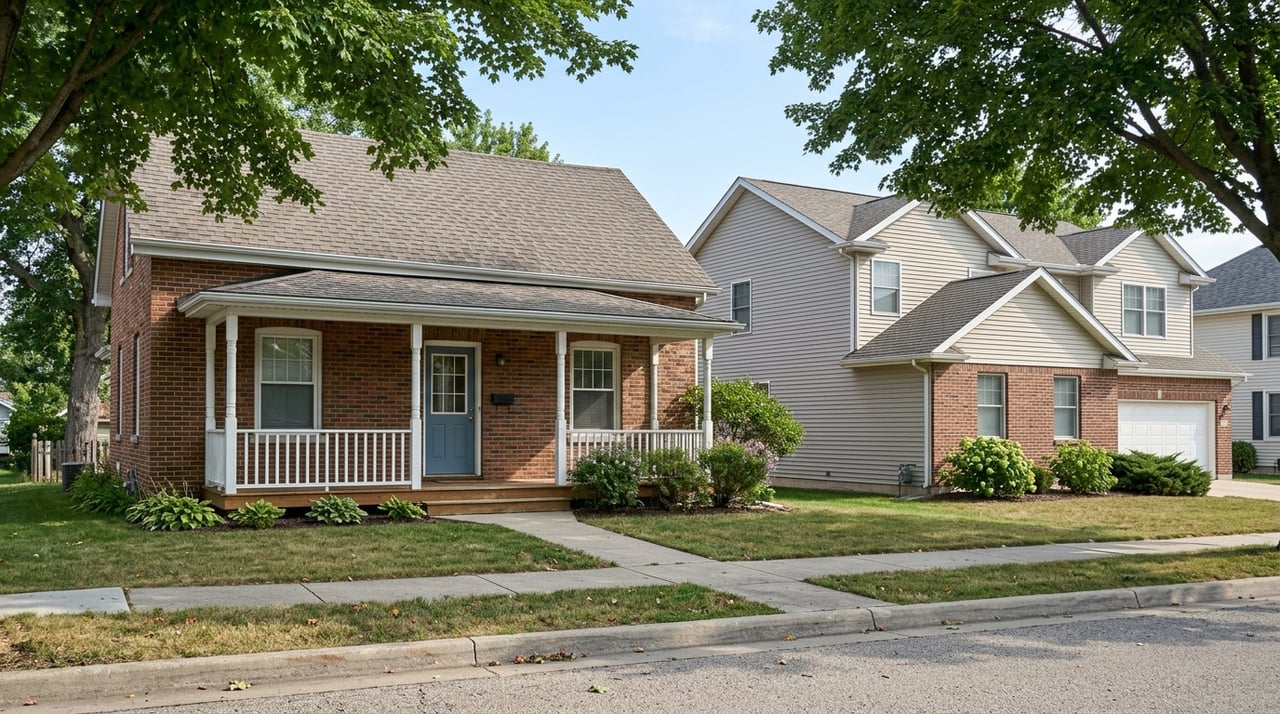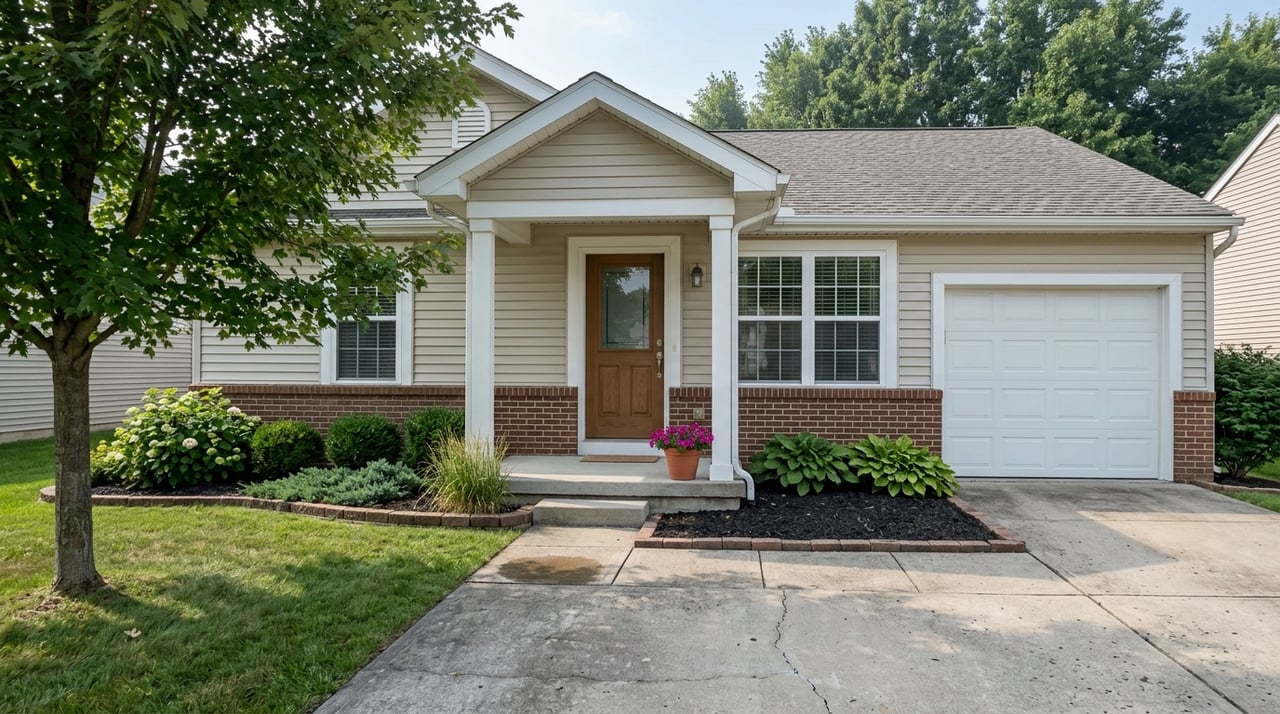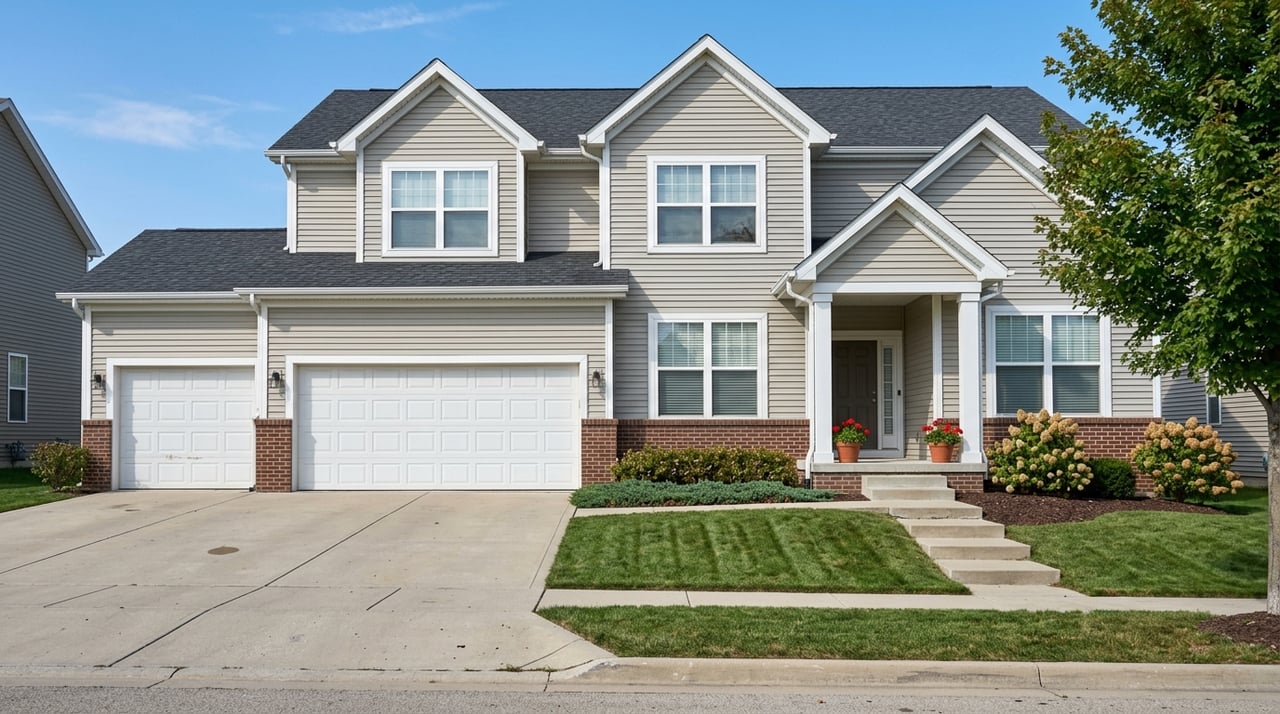
Thinking about selling your Beatrice home? In a small market like Gage County, the wrong list price can cost you weeks and real money. You want a price that draws buyers fast while protecting your net proceeds. This guide shows you how to build a local CMA, read micro-market signals, and set a pricing band that attracts showings and strong offers. Let’s dive in.
Why Beatrice pricing is different
Beatrice sits within a rural county market with lower listing volume and buyer traffic than larger cities. That means each listing is more sensitive to price and marketing. A single outlier sale can skew averages, so you lean on property-level details and smart adjustments to stay accurate.
Seasonal patterns matter. Spring typically brings the most activity, while winter can be slower. Local events, school enrollment timelines, and agricultural cycles can also affect showings. Because Beatrice is roughly 25 to 35 miles from Lincoln, commute patterns and nearby towns influence who sees and pursues your home.
You should ground your pricing in local data first. Use MLS records for sold and active listings, the Gage County Assessor and Recorder for property details, and professional sources like the Nebraska REALTORS Association and National Association of REALTORS for market context. For property-specific risks and features, review FEMA flood maps and local planning information.
Build your Beatrice CMA
A comparative market analysis (CMA) for Beatrice aims to produce a defensible value range and a recommended list price band. Here is how you build it.
Step 1: Define your property
Document specifics before you pull comps. Capture lot size, heated living area, bed and bath counts, finished basement area, garage type and size, year built, foundation, updates, and condition. Note utility setup, septic or well if applicable, and any unique features like a detached shop or small acreage. Flag school assignment and commute advantages. Identify any floodplain or site constraints.
Step 2: Gather candidate comps
Start with recent solds that closely match your home’s size, age, and condition in the same neighborhood. In a slower small-town market, widen your timeframe from 3–6 months to as far as 6–12 months, or expand your radius to nearby areas when needed. Add active, pending, and recently expired or withdrawn listings to see current demand and pricing gaps. Include off-market or tax record transfers when you have them, but treat those as lower confidence.
Step 3: Filter and rank comps
Prioritize in this order: recent solds on the same block or subdivision, then the broader neighborhood, then properties in the same school attendance zone. If needed, consider similar lot settings like a corner lot or acreage. For each comp, record sale date, list and sale price, days on market, price per square foot, and notes on condition and upgrades.
Step 4: Adjust for differences
Use two common approaches to normalize comps to your property:
- Dollar adjustments. Add or subtract for features like garage capacity, finished basement space, bath count, updated kitchen, or a new roof.
- Price-per-square-foot baseline. Establish a local price-per-square-foot range for similar homes, then adjust for quality, lot, and special features.
Whenever possible, lean on paired sales to value a single feature. Important factors in Beatrice include living area, basement finish, bedroom and bath counts, garage capacity, lot size and usable land, age and renovation level, condition and curb appeal, utilities, floodplain status, and location nuances like busy roads or proximity to parks.
Step 5: Produce an adjusted range
Apply adjustments to each comp to estimate what that property would have sold for if it were your home. Because small markets can be noisy, the median of adjusted values often provides a steadier anchor than the average. Translate that central number into a price range that can support three positions: an aggressive entry, a market value target, and a stretch option.
Step 6: Validate with current signals
Cross-check your range with active and pending listings. Look for clusters above or below your target price, note recent reductions and days on market patterns, and consider how quickly homes are absorbing. In a higher months-of-inventory environment, price more competitively. When feedback from showings points to price, be ready to act.
Read micro-market signals
Beatrice buyer behavior often clusters by small areas or property types. Reading these micro cues helps you price with precision.
Price per square foot on your block
When you see a tight pattern for similar homes on the same block or a recurring floor plan, that is a strong anchor. If there are outliers, verify whether condition, concessions, or special features created the gap.
Psychological price thresholds
Buyer searches commonly group under clean numbers like 150,000 or 200,000. Pricing just below a cutoff, such as 199,900 instead of 200,000, can increase exposure because it fits more search filters and list sorting.
Days on market and reductions nearby
Several reductions in the same pocket can signal a weak price point. Note where listings sit before and after a reduction, and how quickly they go under contract once they cross a key threshold.
Atypical or outlier sales
Estate sales, bank-owned transactions, or bidding-war outcomes may not reflect typical demand. Label them and reduce their weight in your analysis.
Street and site factors
Busy roads, adjacent commercial areas, parks, or trail access can push value up or down relative to interior streets. In Beatrice, utility setup matters too. Properties connected to municipal water and sewer often attract more buyers than similar homes on septic or well.
Acreage and outbuildings
Small acreage or a quality detached shop can be a premium feature, but the buyer pool is more specific. Treat these as a separate set of comps rather than averaging them with standard in-town properties.
Choose your pricing band
Use your CMA to choose a price position that matches your goals and the market.
- Aggressive (Entry) Band: Price slightly below fair market to generate maximum showings. Pros: more traffic and potential for multiple offers. Cons: you may leave money on the table if demand is stronger than expected.
- Market Value (Target) Band: List at or just below your CMA’s central number to balance exposure and proceeds. Pros: steady showings and a strong chance to sell near expectations. Cons: in a softer pocket, you may still need an adjustment.
- Stretch (High) Band: List above the CMA to test for a premium buyer. Pros: sometimes works for exceptional homes. Cons: fewer showings, higher days on market, and a higher chance of netting less after reductions.
Win the first 3 weeks
The first 10 to 21 days are when your listing is freshest and most visible. A smart initial price aligned with buyer expectations gives you the best chance at early offers.
- Position under key cutoffs. This improves map and list views and expands the number of buyers who see your home.
- Use one decisive correction if needed. Avoid serial small drops that signal weakness. A single, well-timed adjustment with refreshed marketing can reset attention.
- Consider concessions instead of price drops. Closing cost credits or a rate buydown can solve buyer pain points while keeping your list price visible in search results. Evaluate what your likely buyer values most.
- Time your listing and updates. Mid-week launches and well-coordinated refreshes can help you appear in more “new” and “recently updated” lists.
Monitor and adjust with a plan
Set clear performance metrics before you go live. Track showings per week, online views, feedback themes, and offers. Review results after the first 7 to 14 days in active periods or 21 to 30 days in slower seasons. If traffic is low and feedback points to price, be ready to move within your adjustment plan. Always tie changes back to your CMA updates and current competition.
Protect your net proceeds
Pricing is not only about top-line price. It is about what you keep at closing. Build a clear net sheet so you can compare strategies on an apples-to-apples basis.
- Account for commissions, title and closing fees, potential concessions, and any lender-required repairs.
- Budget for prep and presentation: cleaning, staging touches, minor fixes, and professional photography.
- Consider capital improvements carefully. Disclose major deferred items and price accordingly if a full repair does not pencil.
- Remember that a lower list price that creates competition can sometimes net you more than a higher price followed by reductions.
What to prepare before pricing
A little homework helps your CMA and pricing strategy run smoothly.
- Gather your deed, the latest tax statement, and a mortgage payoff estimate if available.
- Pull receipts for major repairs, permits for remodels, and any inspection reports.
- Confirm heated living area, bedroom and bath counts, basement finish square footage, garage size, and lot dimensions.
- Note HOA details if applicable, school assignment, and any recent neighborhood sales you know about.
How Avid Realty supports your price strategy
You deserve pricing advice rooted in local experience and backed by clean data. As a locally owned boutique brokerage serving Lincoln, Omaha, and surrounding communities, Avid Realty pairs high-touch guidance with professional marketing and MLS distribution. You get a transparent CMA, clear adjustment logic, and a pricing plan that fits your goals and the realities of the Beatrice market.
Our relationship-first approach means you stay informed at every step. We bring neighborhood insight, polished presentation, and the systems to monitor results and adjust with confidence. Whether you are selling a classic in-town home, a newer build, or a property with acreage or a shop, you get tailored advice to protect your time and your net.
Ready to price your Beatrice home right from day one? Schedule a Consultation with Avid Realty for a local CMA and a plan that aligns with your goals.
FAQs
How do comps work for a Beatrice home in a small market?
- Start with recent solds in the same block or neighborhood, expand to 6–12 months or nearby areas when needed, then adjust for size, condition, features, utilities, and location.
When should a Beatrice seller consider a price reduction?
- Review after 7–14 days in active periods or 21–30 days in slower seasons; if showings are low and feedback points to price, make one decisive adjustment rather than several small cuts.
Do price thresholds like 150k or 200k really matter in Beatrice?
- Yes, many buyers filter by round numbers, so pricing just under a cutoff (for example, 199,900) can increase exposure by fitting more search buckets.
How do acreage or a detached shop affect pricing for a Beatrice property?
- Treat acreage and quality outbuildings as separate value drivers with their own buyer pool, and use comps that share those features rather than averaging with standard in-town homes.
How does seasonality in Nebraska affect my listing price?
- Spring typically sees stronger demand while winter can be slower, so align your price and timing with expected activity and current inventory.
What data sources should inform my Beatrice CMA?
- Use local MLS for sold and active data, Gage County Assessor and Recorder for property records, and professional resources for market context, plus FEMA maps for site constraints.