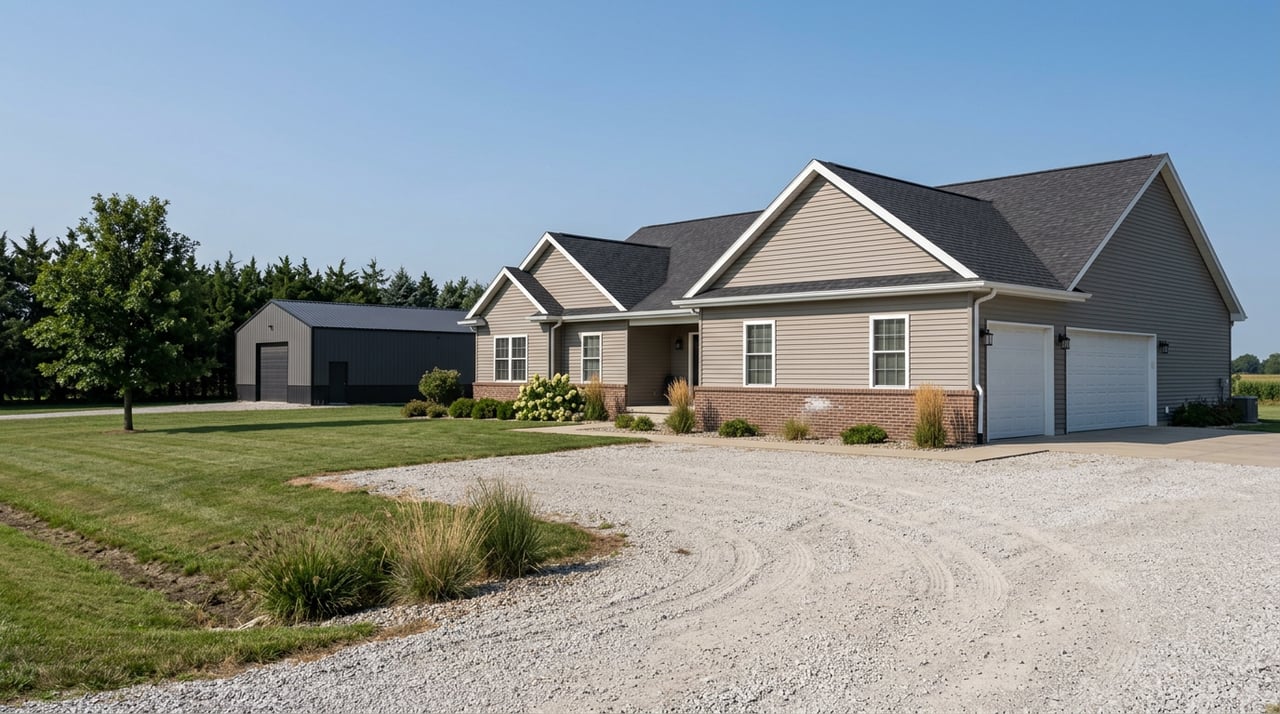
If you picture quiet mornings, room for a shop, and a short hop to Lincoln or Omaha, acreage near Greenwood can be a great fit. Rural property plays by different rules than in‑town homes, and small details can make or break a deal. In this guide, you’ll learn the Cass County essentials on zoning, wells, septic, roads, utilities, and financing so you can buy with confidence. Let’s dive in.
Start with zoning and who to call
Cass County Planning & Zoning is your first stop for most acreage questions, especially if the property sits outside Greenwood’s village limits. The county office handles permits, floodplain reviews, road access, and keeps the official zoning map. Begin by confirming which jurisdiction applies and what uses are allowed on the parcel.
Two county rules often surprise buyers:
- Farm building exemption. Many agricultural buildings are treated differently if the parcel qualifies as a farmstead of 20 acres or more and produces at least $1,000 in farm products per year. Do not assume an outbuilding is permit‑free. Verify whether the property meets the exemption and what permits still apply. Refer to the county’s zoning regulations for the exact language.
- Minimum‑maintenance roads. If a county road is classified as minimum maintenance, the county will not issue permits for new residential dwellings, mobile homes, or manufactured homes on property that directly adjoins that road. Always check a parcel’s road classification early.
Helpful resources: review the county’s permit info and zoning page, then consult the full zoning regulations for the details behind these rules.
- Cass County Planning & Zoning overview: permit and zoning information
- Cass County Zoning Regulations: full regulations PDF
Wells: documents and testing
Most Greenwood‑area acreages rely on private wells. Nebraska’s Department of Natural Resources maintains well registration records, and the Department of Environment and Energy oversees construction standards and driller licensing. Ask the seller for the well registration number and a copy of the well completion report, then cross‑check it with the state database.
Order water testing early in your inspection window. A basic panel usually includes total coliform, E. coli, and nitrate. Depending on local conditions, additional tests such as arsenic, iron, total dissolved solids, or pesticides may be prudent. If a lender program is involved, confirm the exact test panel and how recent the samples must be.
If a well is shared, require a recorded agreement that covers access, maintenance, and cost‑sharing. Lenders may also ask for a certified pump test or documented yield. Get ahead of this to avoid closing delays.
- Nebraska DNR wells FAQ and records: well registration and lookup
Septic systems: permits, design, and replacement risk
Onsite wastewater systems in Nebraska must meet Title 124 standards. Ask for the septic permit, soil or perc test reports, as‑built drawings that show the tank and drainfield locations, the system’s design flow, and any pumping or repair records. The installer and designer should be state‑certified.
If the system is incomplete, undocumented, or failing, plan for more review. Replacement can require new soils work, an engineered design, and county or state approvals. Costs vary widely by soil, setbacks, and system type, so build a septic contingency into your offer timeline and budget.
- Nebraska Onsite Wastewater Program: Title 124 guidance and contacts
Roads, access, and easements
Access determines both daily life and whether you can build. Confirm the road name and classification at the driveway, whether the drive has a county access permit, and if the road is county‑maintained or private. Remember that parcels fronting a minimum‑maintenance road cannot receive a county permit for a new residence.
If access crosses private land, verify a recorded, permanent easement that allows residential ingress and egress. Ask for a written road maintenance agreement if the road is private or shared. Cass County also requires a visible E‑911 address plate at the driveway entrance, which matters for emergency response and insurance.
Service realities also differ outside town. Minimum‑maintenance roads may not receive regular snow removal, mail delivery stops, or school bus service. Confirm what is available and get any limits in writing.
- See specific access, minimum‑maintenance, and addressing rules in the county’s zoning regulations PDF
Utilities and internet
Electric service depends on the exact location. Greenwood’s municipal utility serves addresses in town, while many rural parcels rely on regional utilities or electric cooperatives. Ask which provider serves the parcel and whether a line and meter are already at the lot line. For more remote sites, a propane tank or backup generator plan is common.
Broadband varies block by block. Options may include fixed wireless, satellite, and in some spots DSL or fiber. Do not assume streaming speeds or remote‑work readiness until you check availability by exact address.
- Greenwood Utilities info: electric provider overview
- Address‑level internet check: Greenwood and Cass County availability
Financing: what lenders expect on acreage
Many buyers in Greenwood’s rural fringe use conventional, FHA, VA, or USDA financing. USDA’s Guaranteed Loan Program is available only in eligible rural areas, and eligibility is address‑specific. If you plan to use USDA, check the address on the official map before you offer and save a copy for your file.
For homes on private well and septic, lenders often require a potable water test, septic documentation, and sometimes inspections or remediation before closing. Shared wells or low‑yield wells can trigger extra conditions. Land‑only purchases usually need different financing with higher down payments and shorter terms, so confirm loan type and terms with your lender up front.
- USDA program overview: Single Family Housing Guaranteed Loan
- Property eligibility map: USDA address lookup
- FHA guidance reference: water and private system requirements
Buyer checklist for Greenwood acreage
Use this list to organize documents and calls before you waive contingencies:
- Property details
- Exact street address and parcel ID for zoning, tax, and loan eligibility checks.
- Confirm if the parcel is inside Greenwood’s village limits or in unincorporated Cass County.
- Zoning and permits
- Zoning district and any conditional use history.
- Whether the farm building exemption applies, and which outbuildings still need permits.
- Floodplain status and any wetlands or conservation easements.
- Road and access
- County road classification at the driveway and whether it is county‑maintained or private.
- Any recorded access easements and a written private road maintenance agreement, if applicable.
- Driveway or access permit status and E‑911 address plate requirement.
- Well
- Well registration and completion report, driller license info, pump specs, and service records.
- Recent water test results for coliform, E. coli, and nitrate at minimum.
- Septic
- Septic permit, soils or perc reports, system capacity, installer certification, and as‑built drawings.
- Pumping and maintenance history; schedule an inspection if records are missing.
- Utilities and internet
- Electric provider and whether lines and a meter are at the lot line.
- Parcel‑specific broadband availability and expected speeds.
- Title review
- Preliminary title commitment to confirm deeded access, easements, covenants, and any mineral rights notes.
- Financing
- Loan program requirements for well testing, septic documentation, and shared systems.
- USDA address eligibility, if applicable.
Smart questions to ask early
- Is the county willing to issue a building permit for a residence on this parcel as it sits today, given the road classification and zoning?
- Does the seller have the well registration number and the most recent potable water test? Who drilled the well and when?
- Are the septic permit and as‑built plans available, and when was the last pump or inspection?
- What recorded easements affect access, utilities, or conservation? If there is a private road, who maintains it and how are costs shared?
- Which electric provider serves this address, and what will it take to bring service to a new shop or addition?
Local resources you can use
- Cass County permits and zoning: Planning & Zoning
- County rules for farm exemptions, roads, and addressing: Zoning Regulations PDF
- Well registration and FAQs: Nebraska DNR
- Septic standards and certified professionals: Nebraska NDEE Onsite Wastewater
- Local groundwater and private well outreach: Lower Platte South NRD
- USDA rural loans and eligibility: Guaranteed Loan Program and eligibility map
Ready for acreage near Greenwood?
When you cover zoning, water, wastewater, access, and financing up front, your acreage purchase gets simpler and less stressful. If you want an experienced local guide to help you source properties, coordinate testing, and negotiate the right protections, we are here to help. Reach out to Avid Realty to talk through your plan and schedule a consultation.
FAQs
What is a minimum‑maintenance road in Cass County and why does it matter?
- It is a county road classification with limited maintenance where the county will not issue permits for new residential dwellings on parcels that directly adjoin it, which can block new home construction.
How do I check USDA loan eligibility for a Greenwood‑area property?
- Use the USDA eligibility map to search the exact address and save a screenshot for your file, then confirm program and income limits with your lender.
What well water tests are typical when buying near Greenwood?
- Start with total coliform, E. coli, and nitrate, and consider additional tests like arsenic or iron based on site conditions or lender requirements.
What septic paperwork should I request before making an offer on acreage?
- Ask for the septic permit, soils or perc test results, installer certification, as‑built drawings, system capacity, and pumping or repair records.
Who maintains private roads serving rural parcels around Greenwood?
- Maintenance is defined by recorded agreements or HOA documents, so request the written maintenance agreement and confirm how costs are shared.
Do farm outbuildings on Greenwood acreage always avoid permits?
- No, the Cass County farm building exemption applies only if the parcel qualifies and the use fits the rule, so verify permit needs with the county before you build.