Torn between the charm of a classic Seward bungalow and the convenience of a brand‑new build? You are not alone. Seward offers both older homes near the historic core and fresh construction in growing subdivisions, each with clear benefits and tradeoffs. In this guide, you will learn what to expect on a tour, how to weigh maintenance and energy costs, and which questions to ask before you write an offer. Let’s dive in.
Seward at a glance
Seward is a small, steady county seat with a population in the high 7,000s. Many buyers working in Lincoln find Seward’s pace and pricing appealing while staying commuter friendly. Typical home values often land in the high 200s, though month‑to‑month numbers shift in a small market. For context on the community itself, you can review the city’s profile on Census Reporter.
What you will see on tour
Older homes near the square
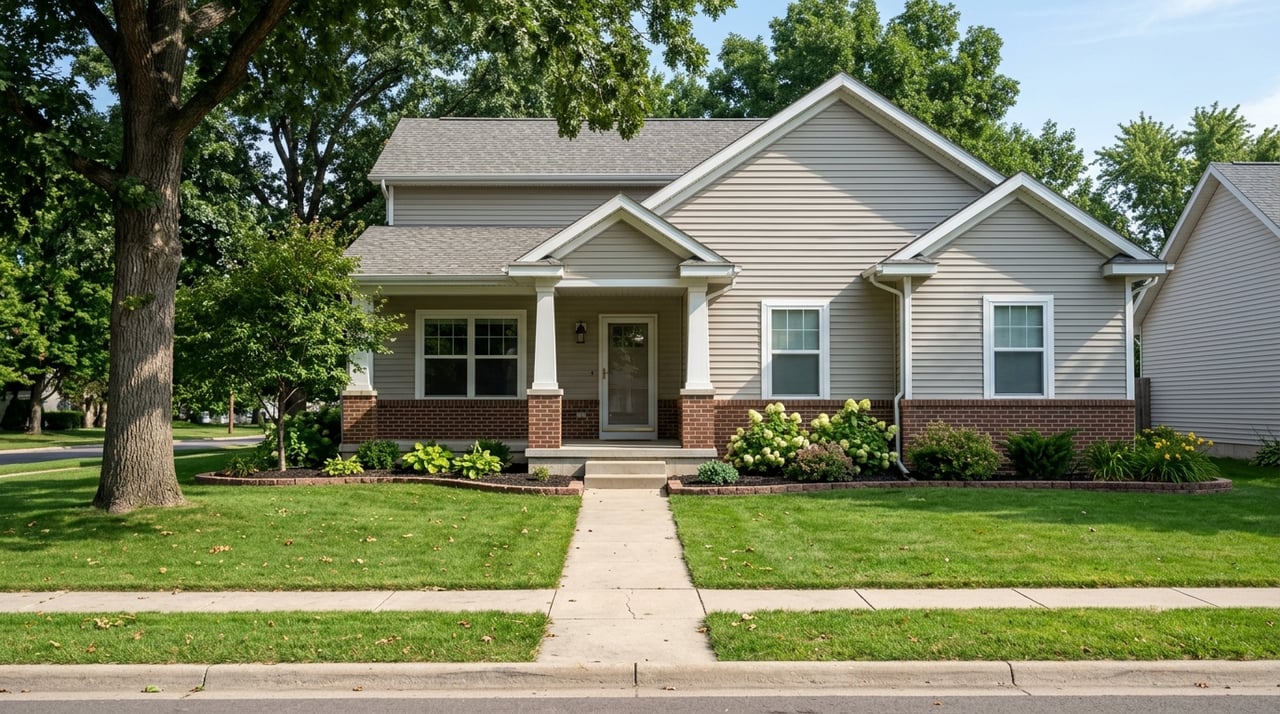
Seward’s heart is its historic Courthouse Square and surrounding blocks. Here, you will find late‑1800s and early‑1900s homes, bungalows, and early ranches with mature trees, front porches, and classic trim. Lots are often smaller and walkable to downtown businesses and parks. To understand the city’s roots and architecture, explore Seward’s local history overview.
New builds in growing subdivisions
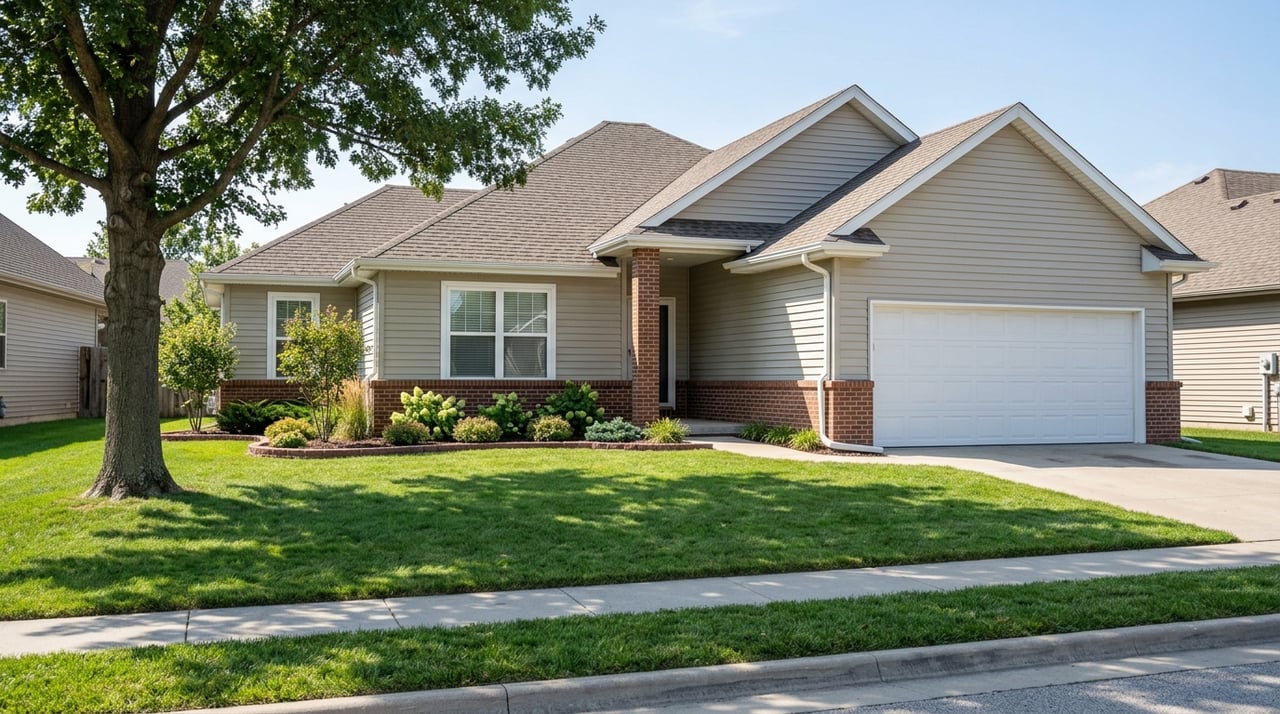
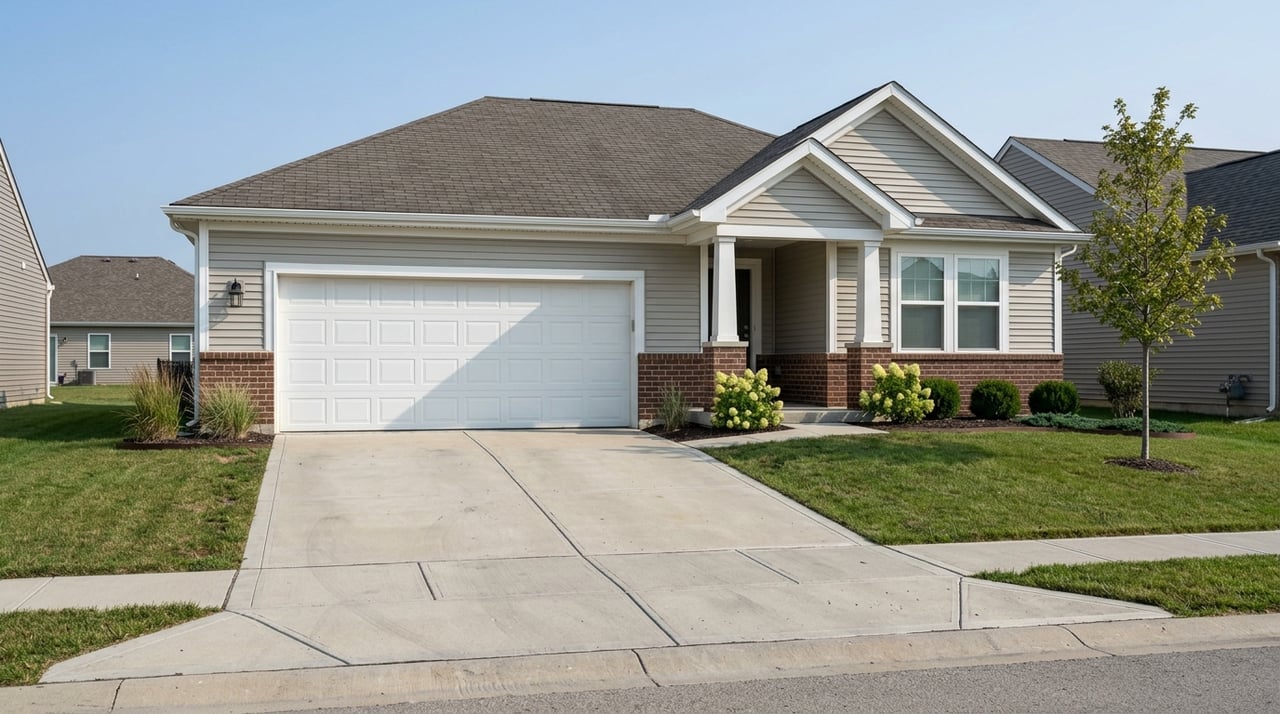
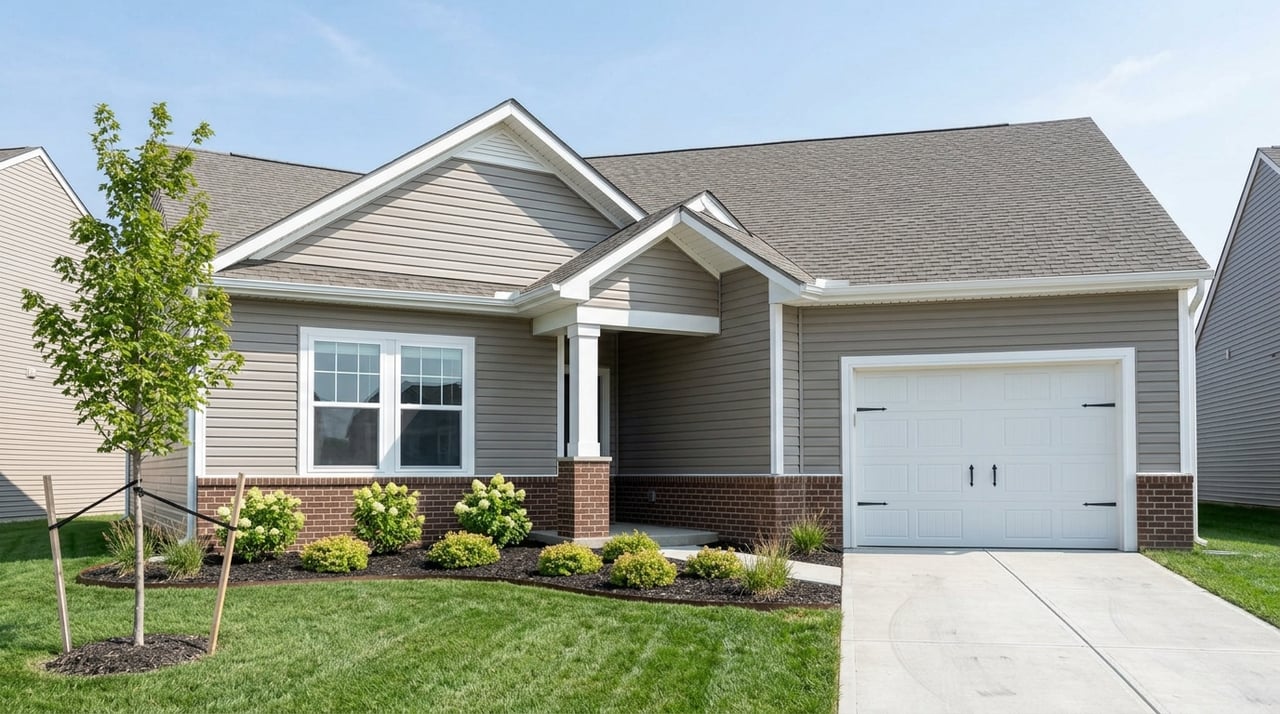
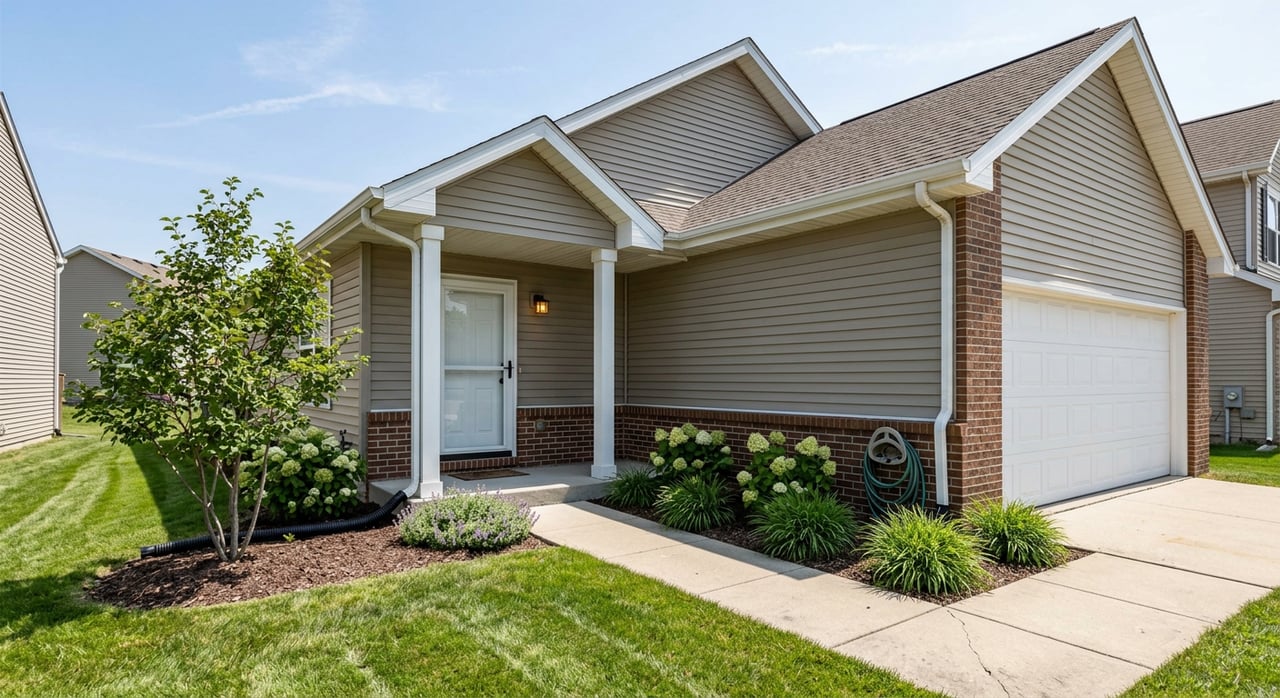
On the edges of town and through infill, you will see modern ranch and two‑story plans with open layouts and attached garages. Subdivisions like Prairie View and others include homes built in the 2000s through the 2020s. Lots tend to be standardized and a bit larger on average than legacy downtown parcels, with a more uniform streetscape and younger tree canopy.
Older homes: benefits and tradeoffs
Older homes offer character, central location, and established blocks with a lived‑in feel. You may get original woodwork and architectural details you cannot easily replicate today. The tradeoff is maintenance. Insulation, windows, roofing, plumbing, and electrical can be aged or due for upgrades, which affects comfort and long‑term costs. If efficiency matters to you, review retrofit ideas in the Energy Saver home tour to understand common improvements.
New builds: benefits and tradeoffs
New construction delivers modern codes, energy‑efficient envelopes, and up‑to‑date HVAC, often with options for ENERGY STAR appliances and higher‑efficiency windows. That usually means predictable utility costs and fewer repairs in the first years. Neighborhood character is newer, with similar‑style homes and smaller tree canopy while landscaping matures. For a sense of efficiency advantages and program standards, review ENERGY STAR’s new home guidance.
Inspections to expect in Seward
Older homes: common findings
- Electrical: Inspectors often flag legacy wiring types, undersized panels, two‑prong outlets, and missing GFCI or AFCI protection. These conditions may trigger insurance or safety concerns and can require targeted repairs or full rewiring. Learn why these issues matter in this old‑wiring overview.
- Plumbing: Galvanized lines and other dated materials can reduce pressure and lead to leaks. Whole‑house repipes are sometimes recommended, especially in homes with long‑deferred updates.
- Foundations and drainage: In southeast Nebraska, sound grading that moves water away from the house is key. Look for efflorescence, cracking, or signs of moisture in basements and confirm that gutters and downspouts discharge well away from the foundation. City subdivision standards emphasize stormwater management. You can browse Seward’s code library on eCode360.
- Lead and older materials: Homes built before 1978 may contain lead‑based paint. Ask for required disclosures and discuss safe testing and renovation practices. See HUD and EPA guidance summarized in this lead safety resource.
- Radon: Seward is in a higher‑risk radon zone on many maps. Plan to test, and if levels are elevated, budget for mitigation or confirm an existing system’s documentation. A local directory for Seward is available through Radon Resources.
New builds: common findings
- Punch‑list items: Expect touch‑ups like caulking, paint, grading finish, minor settlement cracks, and occasional HVAC balancing. These are typically covered by the initial builder warranty.
- Grading and landscaping: Clarify who completes final seeding or sod and who addresses post‑settlement grading corrections after move‑in.
- Warranties: Most builders offer a 1‑year workmanship warranty and longer structural coverage. Ask for the complete terms in writing. Many follow a 1‑year workmanship and 10‑year structural model similar to programs described by warranty providers like ICON’s overview.
Typical costs and budgets
Every property is unique, but these ballpark ranges can help you plan and compare options:
- Minor electrical fixes or GFCI installations: a few hundred dollars for limited items, more for panel changes or extensive rewiring.
- Roof work: small patches to full replacements can range widely based on age, area, and materials.
- Whole‑house repipe: often several thousand dollars, scaling with house size and access.
- Radon mitigation: common and typically a modest four‑figure expense when needed.
- General home inspection: expect a few hundred dollars, with optional add‑ons for radon, sewer scopes, or pests. Local fee ranges vary by home size and scope.
Use your inspection period to get written contractor quotes so you can negotiate confidently.
Lots, zoning, and neighborhood feel
Near downtown, lots are often smaller and closer together, which can improve walkability and access to parks and businesses. In newer subdivisions, lots often range around 0.2 to 0.35 acre, with planned streets and open spaces as plats are approved. If you are considering a new lot or a build job, confirm setbacks, utility fees, and any developer obligations with the City. Seward’s subdivision and zoning provisions live on eCode360.
Financing pointers
- Older homes: Conventional, FHA, and VA financing are common. Some loan programs may require certain safety items to be fixed before closing. If your cash for repairs is limited, plan your offer strategy accordingly and prioritize homes with recent system updates.
- New construction: You may encounter construction‑to‑perm loans on custom builds, while spec homes can close with traditional financing. Ask about builder incentives or preferred lenders and weigh the total package, including warranties and closing timelines.
How to decide: quick buyer profiles
Choose an older home if you want location near the square, mature trees, and original details, and you are ready to manage projects over time. You may find a lower entry price or value in a home that needs cosmetic or system updates. Your upside is character and a central setting.
Choose a new build if you want low maintenance in the first 5 to 10 years, modern layouts, energy savings, and a builder warranty. You trade some historic charm for predictability, updated codes, and the chance to select finishes in certain phases.
Showing checklist for Seward buyers
For older homes
- Ask for ages and service records for the roof, furnace, AC, water heater, electrical panel, and plumbing.
- Request lead‑based paint disclosures for pre‑1978 homes, plus any prior radon test results or mitigation system documentation. Review the lead safety overview before planning work.
- Walk the basement and exterior for water stains, musty smells, efflorescence, or grading that slopes toward the house. Confirm presence and condition of sump pumps.
- Note any two‑prong outlets, cloth wiring, or older panels and budget for electrical updates as needed. See the old‑wiring guide for common signs.
For new builds
- Ask for the full builder warranty packet, including workmanship and structural terms, plus any energy or quality certifications.
- Confirm who completes final grading and landscaping, and how settlement concerns will be handled after closing.
- Request a final punch‑list walkthrough and put all promised fixes in writing. For an overview of typical warranty structures, see ICON’s summary.
Offers and negotiation strategies
- Older homes: Use your inspection to surface big‑ticket items and translate findings into seller credits, repairs, or a lower price. Target system updates, roof condition, and moisture management first.
- New builds: Negotiate finish allowances, appliance packages, and closing timelines. Put landscape and grading responsibilities in the contract and consider a holdback for any open punch‑list items.
Next steps and local resources
- Verify live pricing and days on market with your agent and the local MLS. Small markets move quickly and can be seasonal.
- For new lots or build jobs, confirm plat approvals, assessments, setbacks, and hook‑up fees with the City’s Planning and Building staff. Seward’s code library is on eCode360.
- Plan your third‑party inspections early. At minimum, budget for a general inspection and radon test, with add‑ons like sewer scopes or pest checks based on the home’s age and features.
Ready to compare specific homes in Seward and build a smart plan for inspections, budgets, and negotiation? Reach out to the local team you can trust. Connect with Avid Realty to schedule a consultation.
FAQs
What are the main differences between older Seward homes and new builds?
- Older homes offer central locations, mature trees, and classic details, while new builds deliver modern layouts, energy efficiency, and builder warranties with lower near‑term maintenance.
How energy efficient are Seward’s new construction homes?
- New builds typically feature tighter envelopes, efficient HVAC, and options for ENERGY STAR appliances, which often reduce utility costs compared to many older homes.
What inspections should I prioritize on an older Seward home?
- Focus on a general inspection plus radon testing, with attention to electrical, plumbing, roof, and foundation drainage; add sewer scopes or specialist reviews as needed.
Do Seward homes often need radon mitigation?
- Seward is in a higher‑risk radon area on many maps, so testing is common; mitigation is a routine fix when levels exceed guidelines and is often noted in listings when already installed.
What should I ask a builder before buying a new Seward home?
- Request the full warranty document, punch‑list policy, grading and landscaping responsibilities, energy certifications, and a clear closing timeline with all promises in writing.
How do lot sizes compare in older areas vs new subdivisions?
- Older blocks near downtown often have smaller, close‑in lots, while newer subdivisions commonly plan lots around 0.2 to 0.35 acre with more standardized dimensions.