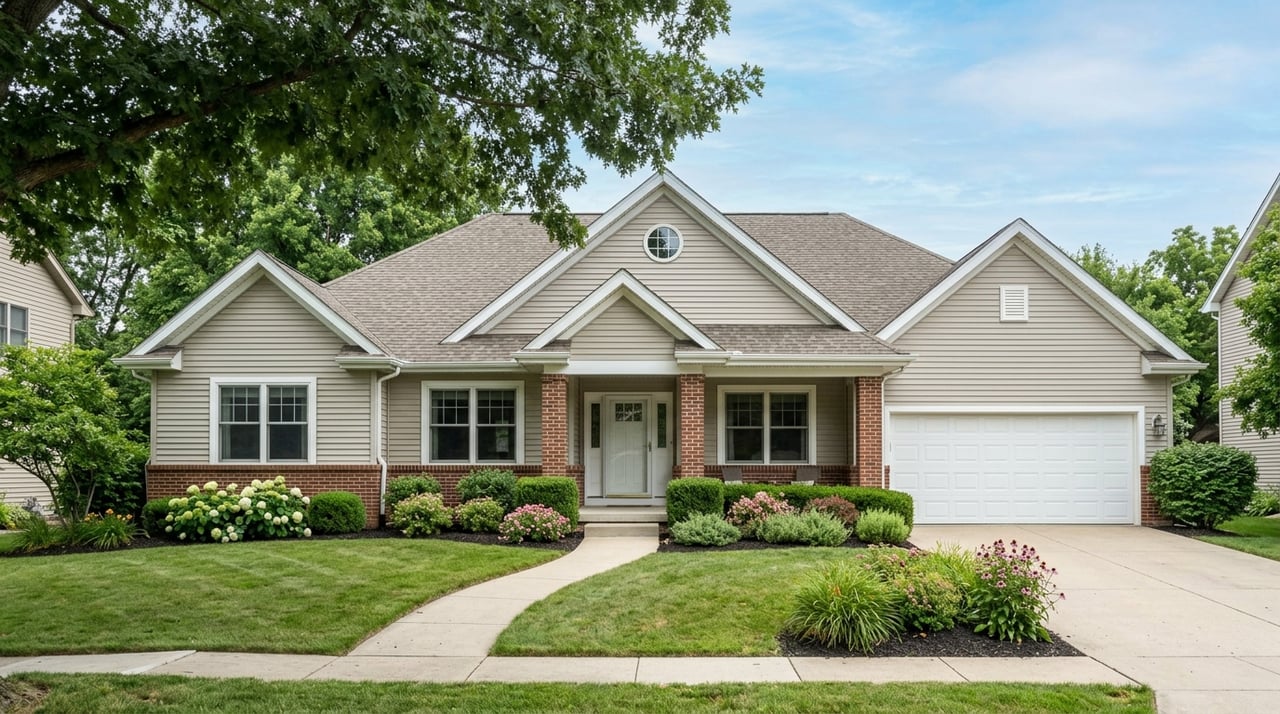
Trying to choose between a brand-new home and an existing one in Gretna? You are not alone. With Gretna growing quickly and new development expanding alongside established neighborhoods, the right choice often comes down to your timeline, your budget, and how much customization you want. This guide will help you compare new construction and resale in practical, local terms so you can move forward with more confidence. Let’s dive in.
Gretna market snapshot
Gretna is a fast-growing city on the west edge of Sarpy County, just off I-80, with access to Omaha in about 10 to 20 minutes and Lincoln in about 30 to 40 minutes. City planning documents describe a community balancing rapid growth with walkability and small-town character.
That growth matters when you are deciding what to buy. Gretna had 491 homes for sale in April 2026, with a median listing price of $549,900, a median sold price of $391,621, and a median of 47 days on market. Realtor.com classifies the market as balanced, and homes sold for about asking price on average.
Why resale is often simpler
If you need to move sooner, resale usually has the edge. In Gretna, existing homes are already built, available to tour, and often move much faster than a home that has to be started or finished from scratch.
The local median days on market was 47 days, which is far shorter than typical build timelines. By comparison, NAHB reported an average of 10.1 months to complete a single-family home in 2023, and 8.9 months for homes built for sale.
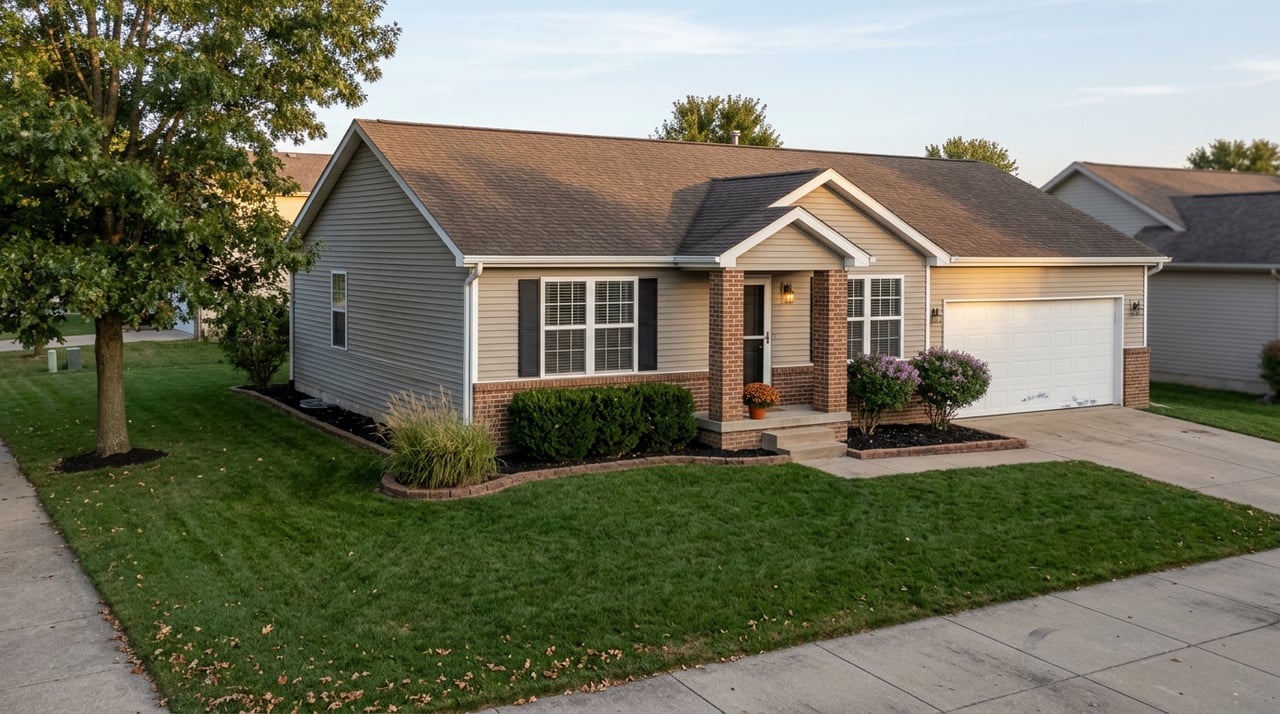
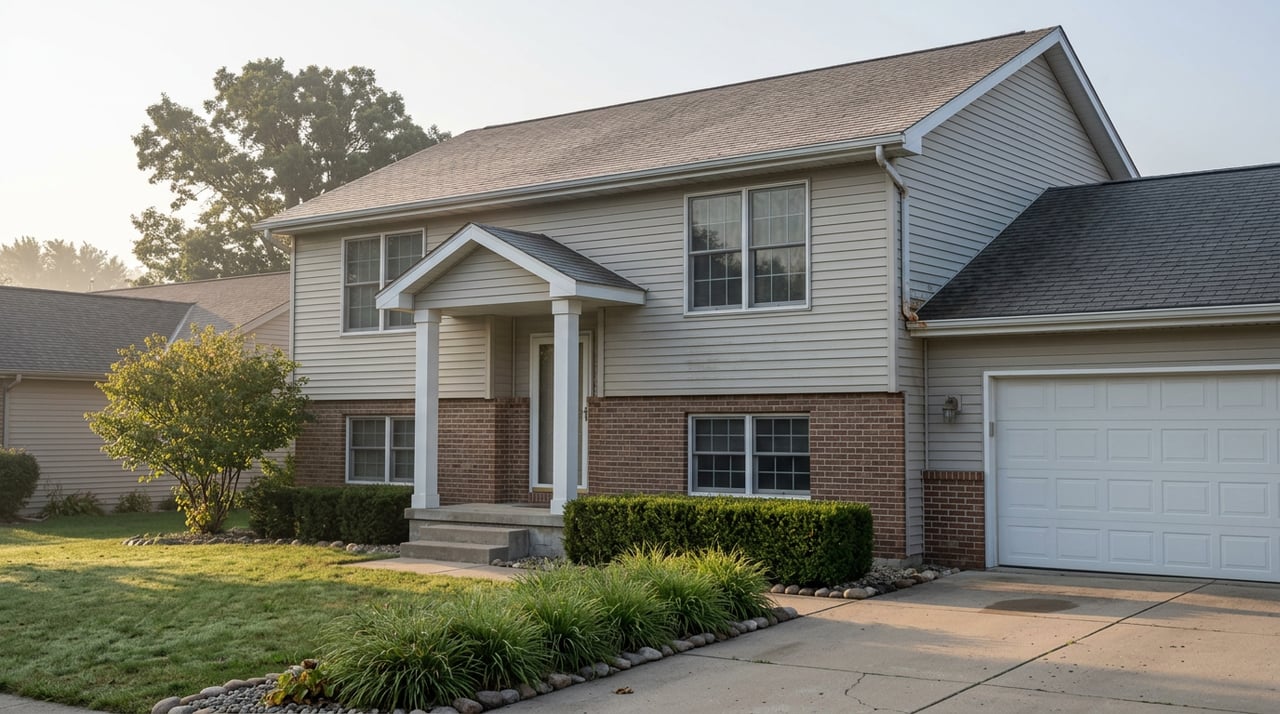
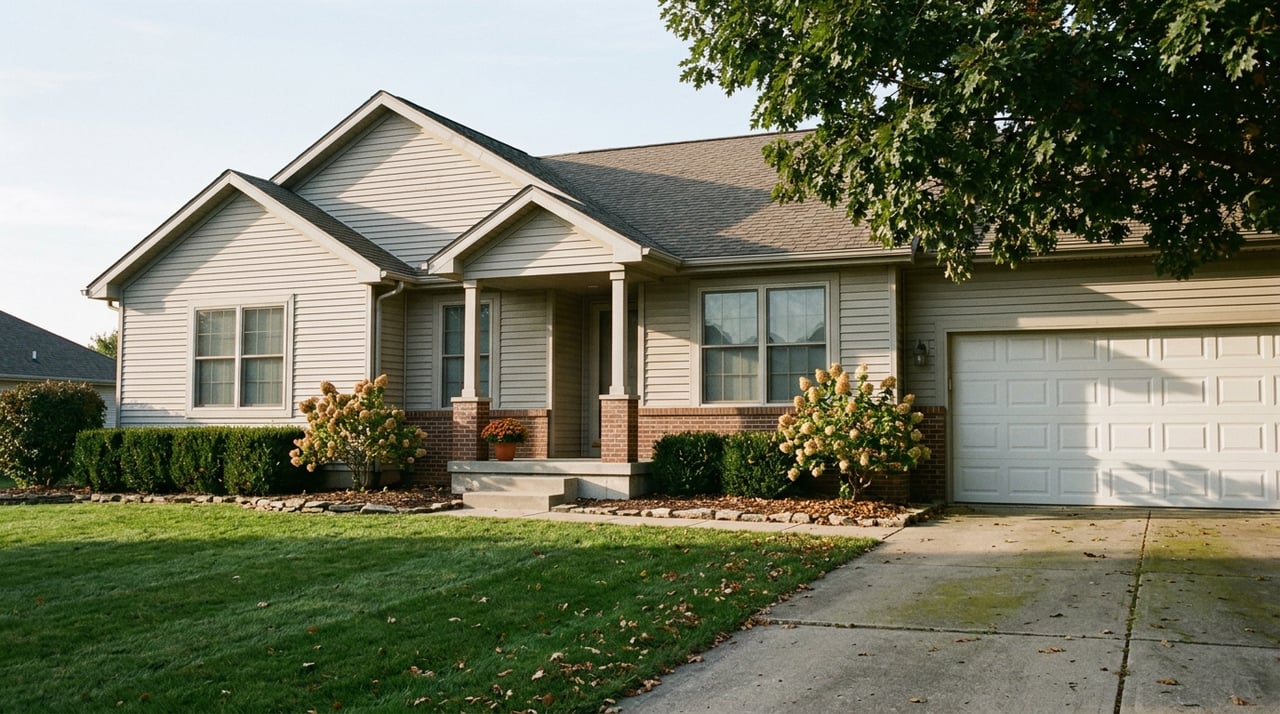
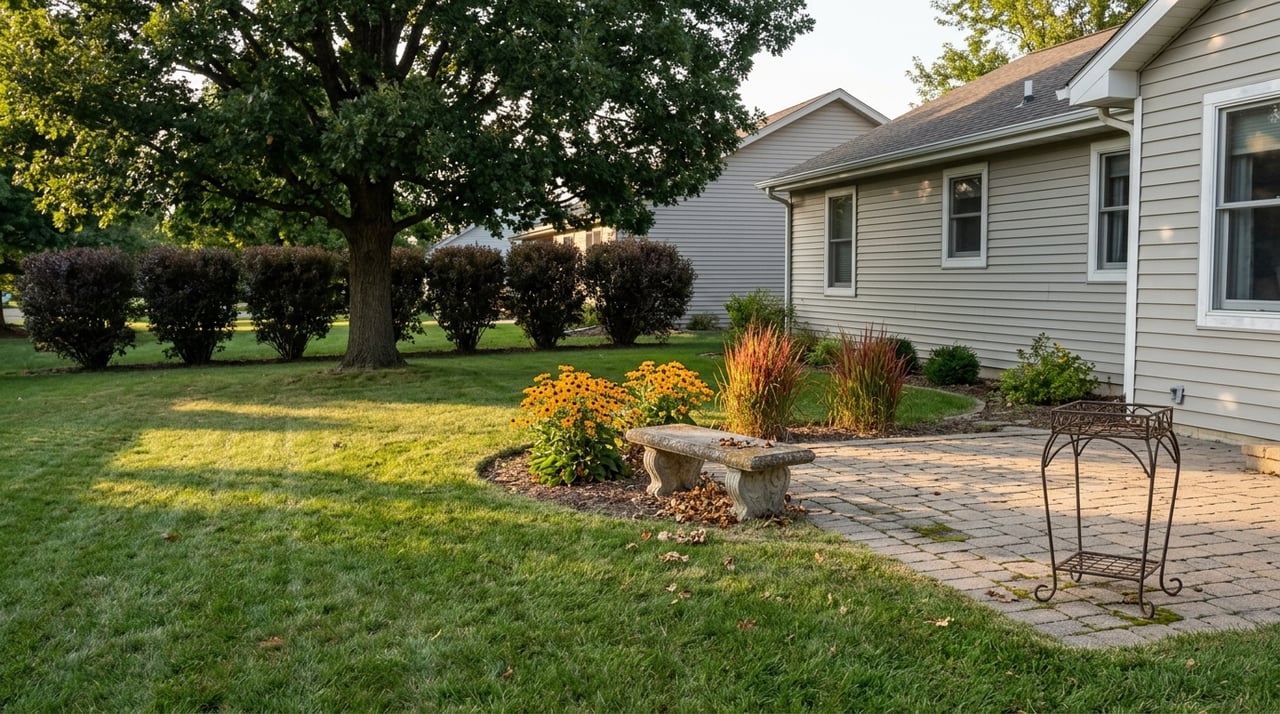
Resale also gives you a clearer picture of what you are buying. You can walk the actual layout, check the lot, see the landscaping, and get a feel for the surrounding area instead of relying on plans, renderings, or a model home.
Why new construction appeals to buyers
New construction usually stands out for customization. If you want a newer floor plan, updated finishes, or the chance to personalize parts of the home, building can be appealing.
Gretna’s building and zoning framework shows just how many home features are part of the local approval process. The city has separate guidelines for single-family dwellings, decks, garages, basement finishes, fences, pools, sheds, and accessory structures. That means there is room to tailor a property, but it happens within a regulated process.
For some buyers, that trade-off is worth it. You may get a home that feels more aligned with your preferences, even if it takes more time and planning to get there.
Price differences to expect
In Gretna and the broader Sarpy County market, new construction often costs more than resale. That does not mean it is the wrong choice, but it does mean you should compare the full numbers carefully.
Gretna’s 2025 comprehensive plan appendix said new-construction four-bedroom homes around 2,500 square feet were selling for roughly $390,000 to $460,000. Larger homes around 4,000 square feet were priced around $630,000 to $790,000.
Sarpy County data from the AEI Housing Center estimated the median price of a newly built single-family detached home in a subdivision at $413,000, compared with $365,000 for financed homes. That is a difference of about $48,000, or roughly 13%.
The monthly cost matters more than the sticker price
One of the biggest mistakes buyers make is comparing only the purchase price. In Gretna, the better question is what the all-in monthly cost will be.
For new construction, that may include more than your mortgage payment. Local planning documents say sanitary and improvement district, or SID, assessments typically run about $200 to $500 per month, and those costs help cover infrastructure in the development.
That means the advertised base price may not tell the whole story. Lot premiums, builder upgrades, SID assessments, and any HOA dues can all change your monthly budget in a meaningful way.
Timeline trade-offs in Gretna
If speed matters, resale is usually the more predictable path. You can inspect the home, negotiate terms, and move through a traditional purchase timeline without waiting on permits, construction stages, or completion dates.
New construction can involve more moving parts. Gretna’s Building & Zoning page notes that permit applications must be submitted in person and inspections are scheduled through the department. For you as a buyer, that means the process is tied to city review and the builder’s construction sequence, not just your contract dates.
This is why timeline should be one of the first questions you answer. If you need to be in a home by a specific season or job start, resale may fit better.
Location patterns are different
In Gretna, the choice between new and existing homes is also a choice between different kinds of locations. Planning documents show that much of the planning area is still agricultural or in transition, which helps explain why new construction continues to appear in growth corridors.
At the same time, resale inventory is more likely to be in established neighborhoods with a more built-out feel. If you prefer mature landscaping, a settled street pattern, or a neighborhood where most nearby homes are already complete, resale may better match what you want.
Gretna’s planning and infrastructure activity also points to where growth is happening. Local and county updates highlight projects around the new I-80 interchange at 192nd Street, the 156th and Capehart area, and 204th and Schram, all of which support future development patterns.
School boundaries require address-level checking
In a growing city, school attendance zones can change as enrollment and new development shift. Gretna Public Schools updated middle school boundaries for the 2025-2026 year after opening Giles Creek Middle School.
That makes school assignment an address-specific question, not something to assume based on a subdivision name or general area. Whether you buy resale or new construction, it is smart to confirm the current boundary for the exact property before writing an offer.
Resale potential starts with flexibility
It is easy to focus only on what works for you today, but resale potential still matters. In Gretna, future demand can be shaped by commute access, road projects, school boundaries, and whether a property carries SID assessments.
The city’s planning appendix also notes that current new-home price points leave less inventory for some buyers, including younger households and downsizers. That can narrow the future buyer pool for certain homes unless the location, layout, and finish level stay broadly appealing.
A resale home may offer wider appeal if it has a practical layout and a convenient location. A new home can still be a strong long-term choice, but it helps to think ahead about how it may compete later.
Questions to ask before you decide
If you are torn between building and buying existing, start with a few simple questions:
- How soon do you need to move?
- What is your true monthly budget?
- Are SID assessments or HOA dues acceptable to you?
- Have you confirmed the school boundary for the exact address?
- Do you want a newer plan, or do you prefer a more established neighborhood feel?
- Are you comfortable with possible construction delays?
These questions can quickly narrow your options. In many cases, the answer becomes clear once you compare timing and monthly cost side by side.
A smart way to compare both options
One practical approach is to tour a few resale homes first. That helps you understand what your budget buys today in Gretna and gives you a real-world baseline for space, lot size, and location.
Then, if new construction still appeals to you, compare it against those resale options with a simple side-by-side worksheet. Include base price, lot premium, upgrades, SID assessments, HOA dues, expected completion date, and any timing risks.
That kind of comparison turns a stressful decision into a clearer one. Instead of choosing based on emotion alone, you can weigh convenience, cost, and long-term fit in a more grounded way.
Which option is better in Gretna?
For many buyers in Gretna, resale is the quicker and lower-friction choice. You can see the home, understand the surroundings, and often move on a more predictable schedule.
New construction can still be the right fit if customization matters most and you are comfortable with a longer timeline and potentially higher monthly costs. Neither option is automatically better. The best choice depends on what matters most to you right now.
If you want help sorting through Gretna neighborhoods, builder options, resale value, and monthly cost comparisons, Avid Realty can help you look at both paths with clear, local guidance.
FAQs
Should you buy new construction or resale in Gretna?
- In Gretna, resale is often the faster and simpler option, while new construction usually offers more customization but may come with a higher price and longer timeline.
How long does it take to build a new home in Gretna?
- Build timelines vary, but national NAHB data showed an average of 10.1 months to complete a single-family home in 2023 and 8.9 months for homes built for sale, which is much longer than buying an existing home already on the market.
Are new homes in Gretna more expensive than resale homes?
- Often, yes. Sarpy County data showed a median price of $413,000 for newly built single-family detached homes in subdivisions versus $365,000 for financed homes, a difference of about 13%.
What extra costs come with new construction in Gretna?
- In addition to the purchase price, you may need to budget for lot premiums, builder upgrades, SID assessments, and possible HOA dues.
Do school boundaries matter when buying in Gretna?
- Yes. Gretna Public Schools adjusted middle school boundaries for 2025-2026, so you should verify the attendance zone for the exact property address before making an offer.
Where is new construction growing in Gretna?
- Local planning and infrastructure updates point to continued growth around the 192nd Street and I-80 area, 156th and Capehart, and 204th and Schram corridors.