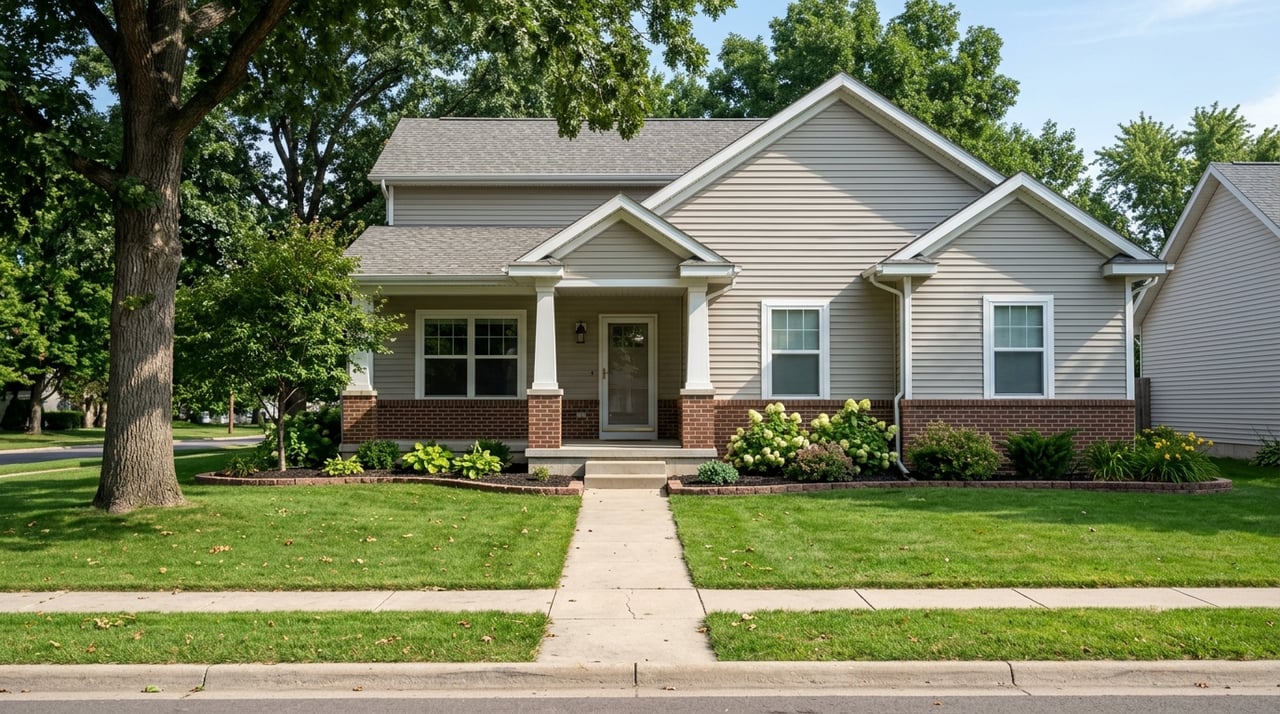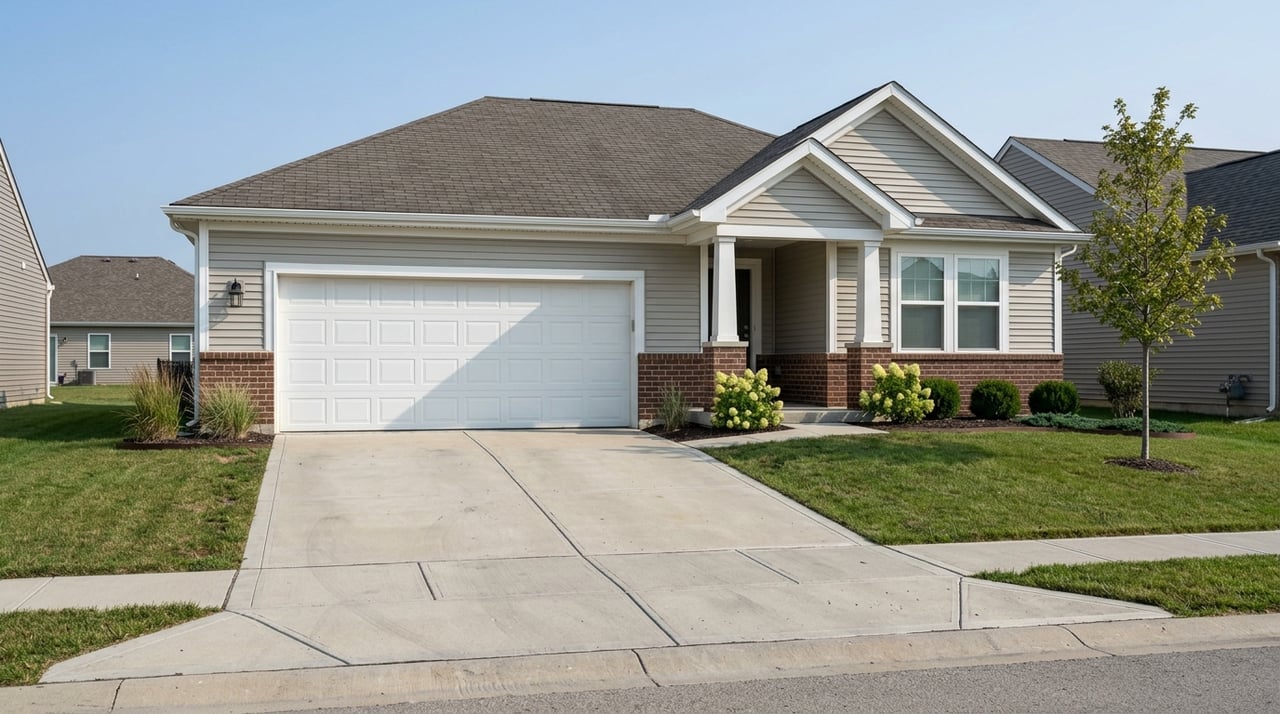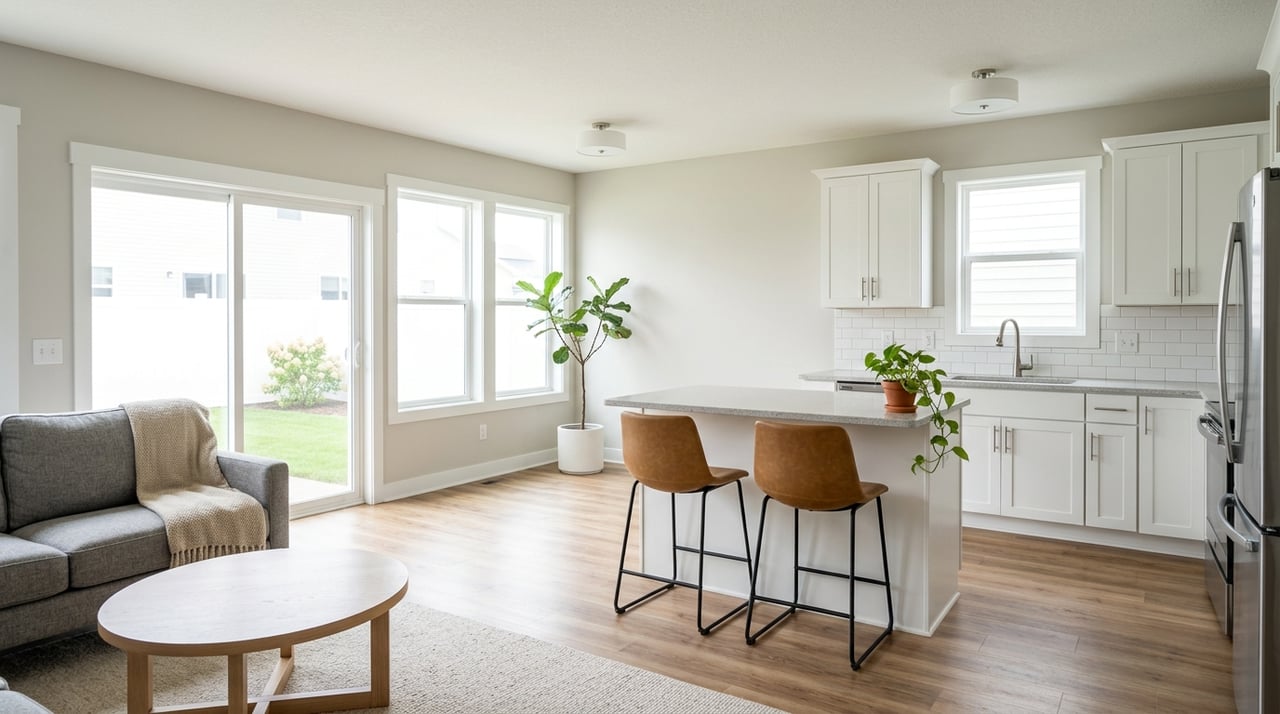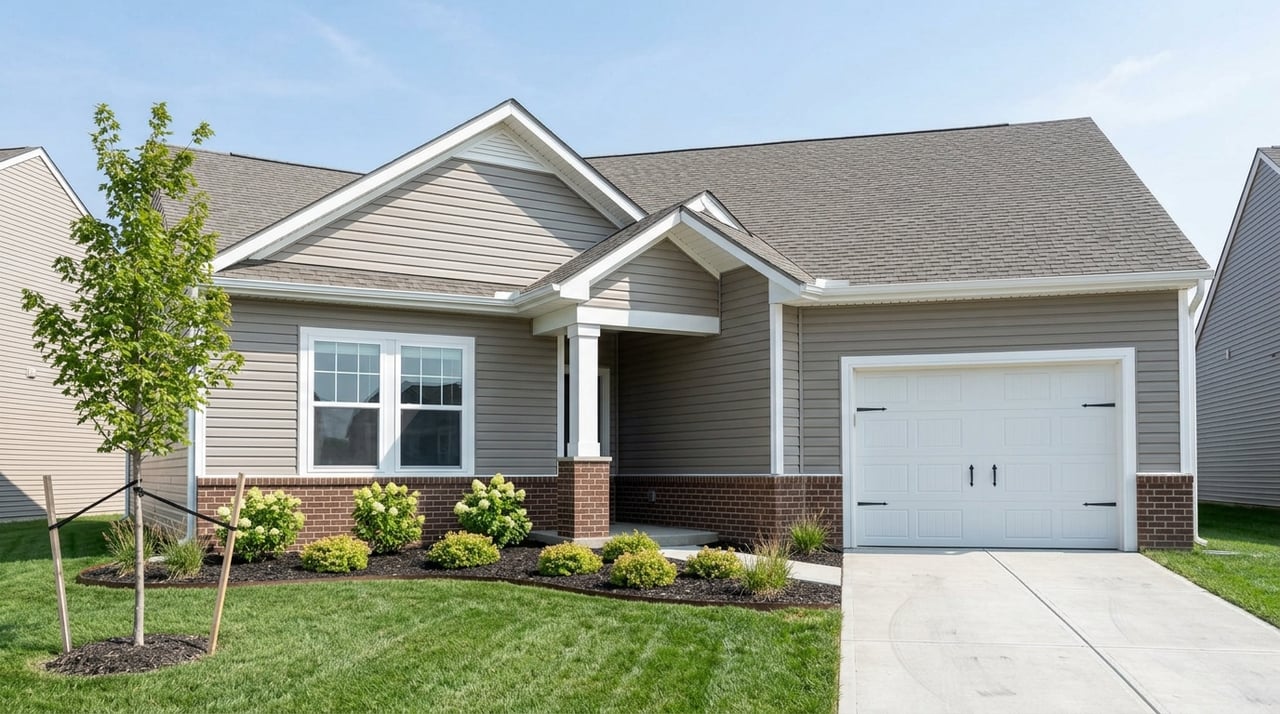
Shopping new construction near Seward can feel exciting and a little tricky at the same time. You get the appeal of a brand-new home, but you also have more moving parts to review before you sign. If you want to compare lots, builders, pricing, and contract details with more confidence, this guide will help you focus on what matters most. Let’s dive in.
Why new construction stands out
New construction gives you a chance to choose a layout, finishes, and features that fit the way you live. It can also reduce the need for immediate repairs compared with an older home.
At the same time, a new build often asks more of you upfront. You may need to sort through upgrade options, larger deposits, financing timing, and a longer wait for completion.
In Seward, that tradeoff matters. Spring 2026 market data described the local market as active and competitive, with median prices around the upper $280,000s and a relatively modest number of available homes, depending on the source.
Check city versus county rules first
One of the first questions to ask is simple: is the lot inside Seward city limits, or is it under Seward County zoning jurisdiction? That answer can affect permits, reviews, setbacks, and the process that applies to the property.
The City of Seward handles building and inspection services for new residential construction after permit application. The city also lists separate forms for items such as new residential permits, floodway development permits, and site-plot plans.
Seward County also requires permits for constructing, reconstructing, enlarging, altering, or moving most nonfarm structures within its zoning jurisdiction. For acreage or rural lots, the county notes 5-acre minimums in A-1 and TA-1 districts, so buyers looking beyond town should verify zoning details early.
Review the lot, not just the floor plan
It is easy to fall in love with a model home and spend less time studying the actual lot. In reality, the lot can shape your day-to-day experience just as much as the house itself.
Look closely at orientation, sunlight, drainage, and what could be built nearby later. Lot orientation affects daylight, summer heat gain, and solar access, and future trees or neighboring buildings can change how much winter sun reaches the home.
If you are comparing several lots, ask how the house will sit on the parcel and what future development is expected around it. A current open view may not stay open forever.
Ask about floodway or floodplain issues
This is especially important to check early in the process. The City of Seward lists a separate floodway development permit, which is a strong sign that buyers should confirm whether a parcel has floodway or floodplain implications before moving too far ahead.
That does not automatically mean a lot is a bad option. It simply means you should understand the site requirements and approvals tied to that property.
Vet the builder carefully
A polished model and a friendly sales process are not enough on their own. You should still do your own homework on the builder and any contractors involved.
Nebraska says contractors and subcontractors doing business in the state must register, but registration does not guarantee work quality. It also does not replace local permit compliance.
A smart review includes asking for:
- Proof of contractor registration
- References from recent buyers
- Written estimates
- A written contract
- Proof of insurance
- A written warranty
It is also wise to avoid large upfront payments and ask practical questions about customization, additional fees, and whether any covenants or HOA rules apply. If possible, visit current communities and talk with homeowners about their experience.
Understand base price versus upgrades
One of the biggest surprises in new construction is how quickly the final price can rise above the advertised base price. The home you tour may showcase the builder’s best finishes, not the standard package included in the starting number.
Builders commonly offer choices in appliances, countertops, flooring, cabinetry, and fixtures at different price points. If you want structural changes or premium finishes, your total cost can move well beyond the initial quote.
Before you commit, ask for a clear written breakdown of what is standard and what costs extra. That simple step can help you compare builders more fairly and protect your budget.
Look for Nebraska radon features
In Nebraska, radon is not a minor detail. State health information says Nebraska has a very high incidence of radon in homes, with more than half of test results above the 4.0 pCi/L action level.
State law generally requires radon-resistant new construction for regularly occupied buildings built after September 1, 2019, with limited exceptions. For a Seward-area buyer, that makes radon-resistant features and post-closing testing worth discussing before the contract is signed.
This is a good example of why local due diligence matters. A new home may be new, but you still want to confirm what was installed and what follow-up testing is recommended.
Read the contract with a buyer’s eye
New-construction contracts often differ from resale contracts in ways that catch buyers off guard. Deposits, timelines, lender preferences, and completion dates all deserve close attention.
Builders may ask for earnest money, so ask when that deposit is refundable and under what conditions. You are not required to use the builder’s preferred lender, and you should also review rate-lock terms if your home will take time to finish.
Completion dates matter too. Ask what happens if the schedule slips, whether the builder is more likely to offer upgrades or closing-cost help than a lower price, and how change orders affect timing and cost.
Questions to ask before signing
Use this short checklist to stay organized:
- When is earnest money refundable?
- What is the projected completion date?
- What happens if construction is delayed?
- What features are included in the base price?
- What upgrades have already been added to this home?
- Are there added fees beyond the purchase price?
- Are covenants or HOA rules in place?
- What warranty is provided in writing?
Get an independent inspection anyway
A brand-new home should still be inspected. That point is easy to miss because buyers often assume new means problem-free.
Consumer guidance on new construction says buyers should still use an independent inspector, and when possible, make the offer contingent on financing and a satisfactory inspection. If serious issues appear, the contract terms may allow you to renegotiate or walk away.
An independent inspection gives you another set of eyes on workmanship, installation, and completion. It is one of the simplest ways to protect yourself before closing.
Know what the warranty really covers
A warranty can offer peace of mind, but only if you understand what it covers and how long your window to act lasts. Written warranties vary from builder to builder, so you should read the actual document instead of relying on verbal summaries.
In Nebraska, the general statute of limitations for actions based on breach of warranty or construction deficiency on real-property improvements is four years, with an outer ten-year cap for most claims. The practical takeaway is to keep your paperwork, track deadlines, and report problems promptly.
Do not assume a new-home warranty lasts forever or covers every issue equally. Clear records and quick follow-up matter.
Compare new builds with existing homes
If you are still deciding between new construction and an existing home near Seward, it helps to think in terms of tradeoffs instead of labels. Neither path is automatically better for every buyer.
New construction usually offers more choice over layout and finishes, plus fewer immediate repair concerns. Existing homes let you see the finished product right away and may support a faster move.
In Seward’s active market, the real question may be whether you value speed or customization more. Your budget, timeline, and comfort with decision-making should guide the answer.
How Avid Realty can help
Evaluating new construction near Seward is about more than picking a floor plan you like. You need clear answers on jurisdiction, lot details, builder reputation, upgrade costs, contract terms, inspection strategy, and warranty coverage.
That is where local guidance can make the process smoother. A thoughtful buyer’s advocate can help you compare options, ask better questions, and keep small details from becoming expensive surprises.
If you are planning a move near Seward and want practical, local support, Avid Realty is here to help you evaluate your options with care and confidence.
FAQs
Should I get an inspection on a new construction home near Seward?
- Yes. Independent inspections still matter on new homes and can help identify issues before closing.
Does a Seward-area new build need radon-resistant construction?
- In Nebraska, radon is a major concern, and state law generally requires radon-resistant new construction for regularly occupied buildings built after September 1, 2019, subject to limited exceptions.
Why does city versus county jurisdiction matter for Seward new construction?
- It matters because permit rules, reviews, and zoning requirements may differ depending on whether the lot is inside Seward city limits or under Seward County jurisdiction.
What should I ask about upgrades in a Seward new build?
- Ask for a written list showing what is included in the base price and what counts as an added-cost option, since finishes and structural changes can raise the final price.
What should I review in a Seward new construction warranty?
- Review what materials and workmanship are covered, how claims are handled, and the deadlines for reporting issues, then keep all warranty documents after closing.